
Sourcegraph
Sourcegraph builds universal code search for every developer so they can innovate faster. Their products help developers and companies with billions of lines of code create the software you use every day.
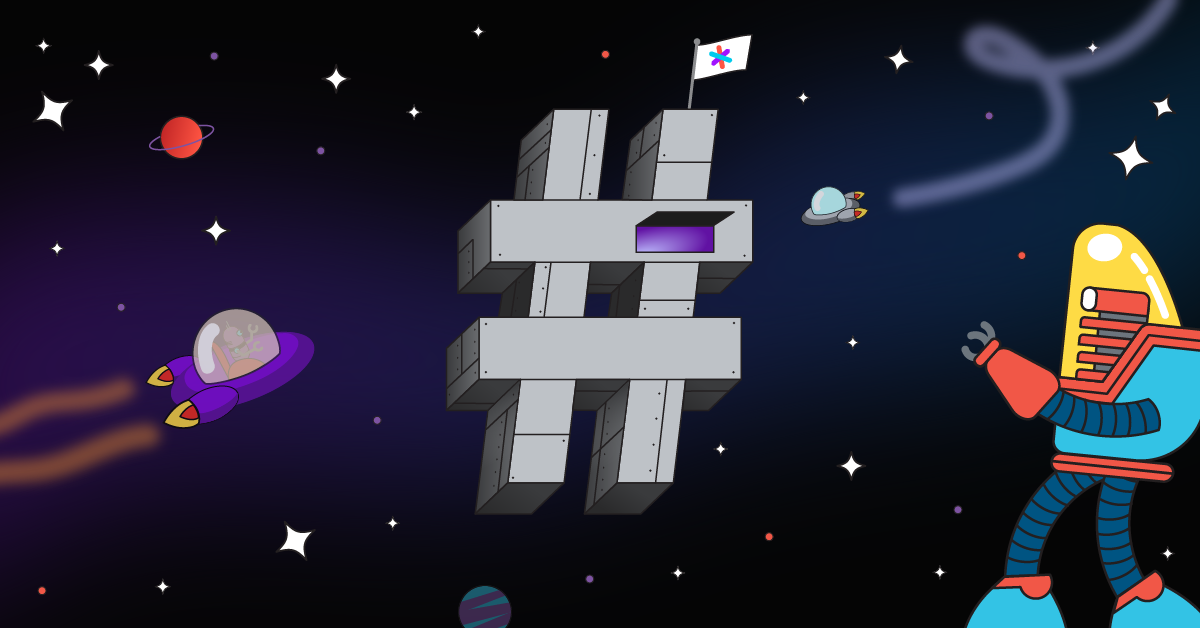
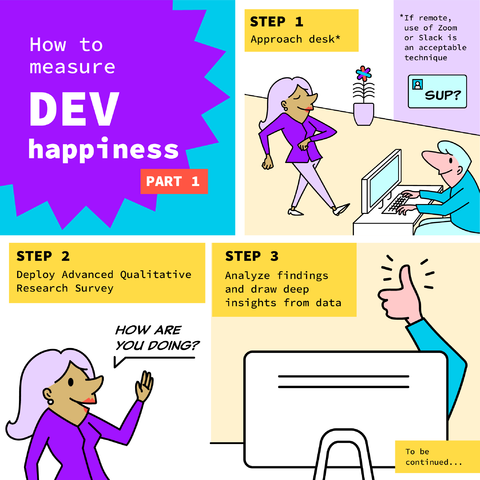
A brand was built that relied on “unmarketing”; that is, marketing that did not feel like marketing. Tactics such as easter egg hunts, hidden messages, contests, giveaways, active “always on” social media engagements, in-person events, and simple, non-sales language was developed to reach and activate their user base and audience.

Performance Marketing
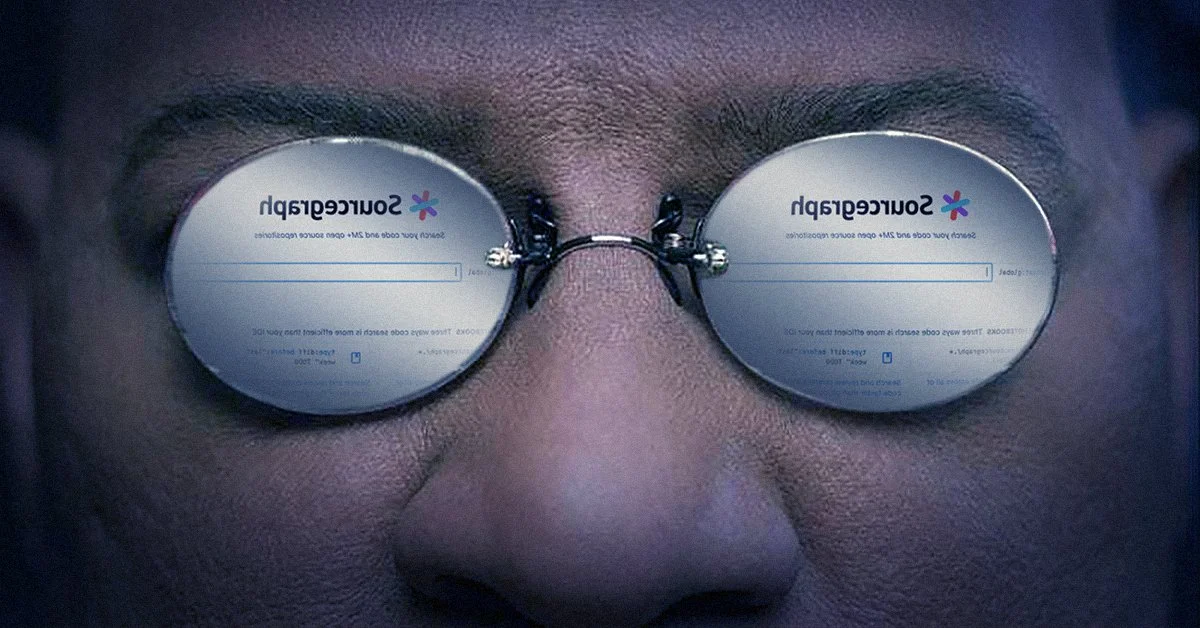
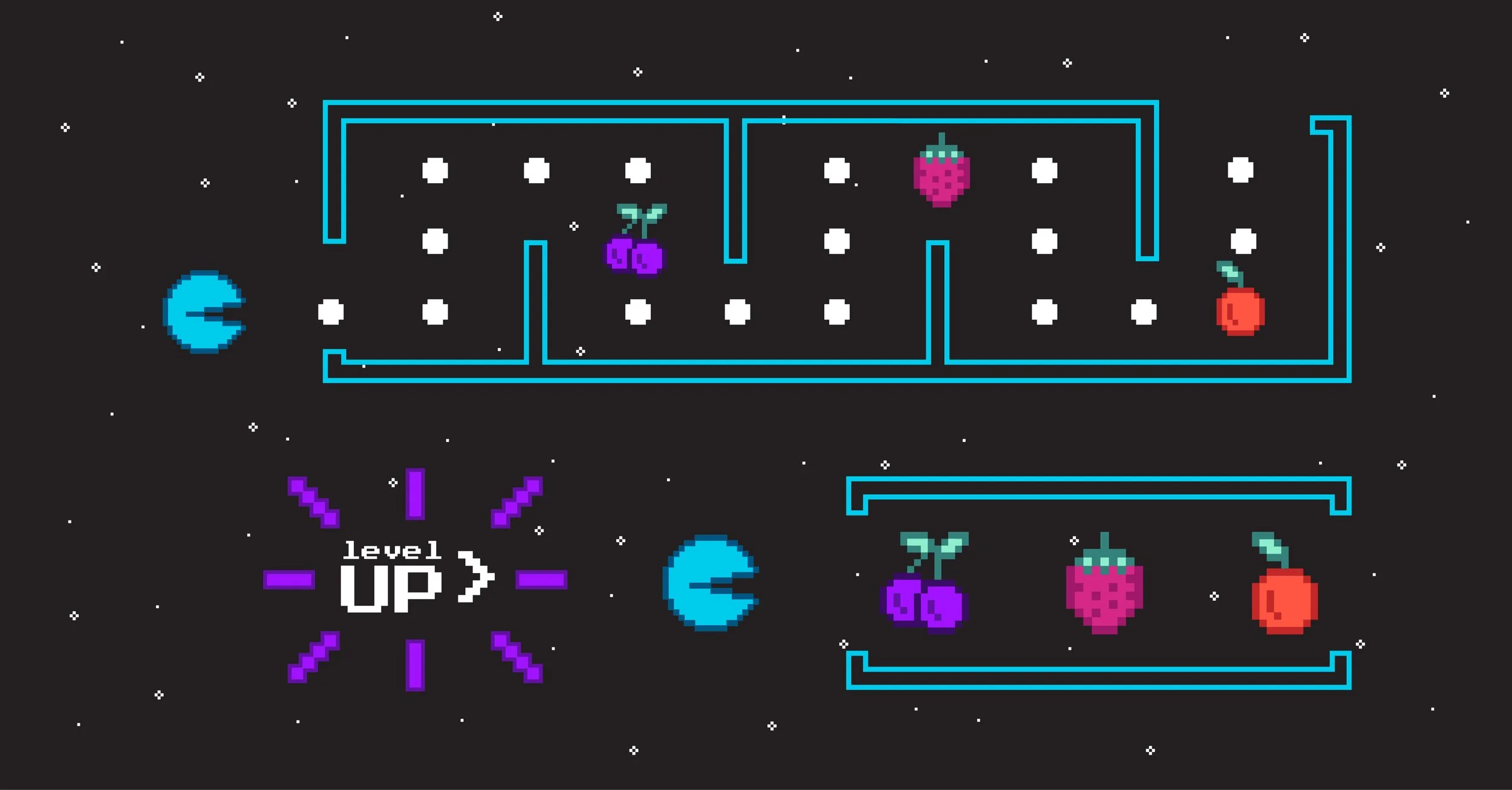
Campaign example: Users would view static and video ads across various ad networks, such as Google or Meta, which would lead to a custom landing page connected to the campaign and often some real-world cultural, newsworthy, or entertainment tie-in – such as the launch of The Matrix 4.
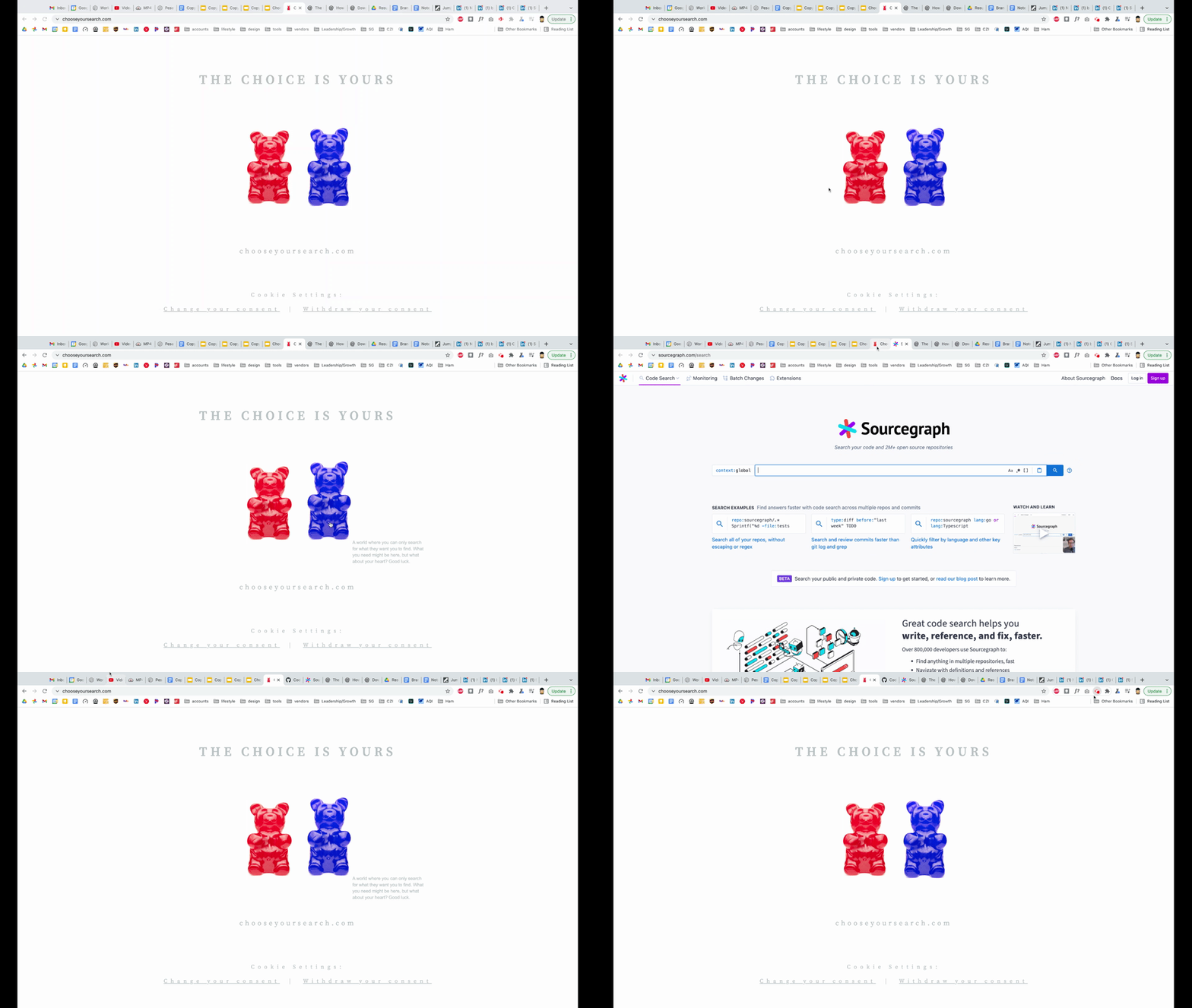
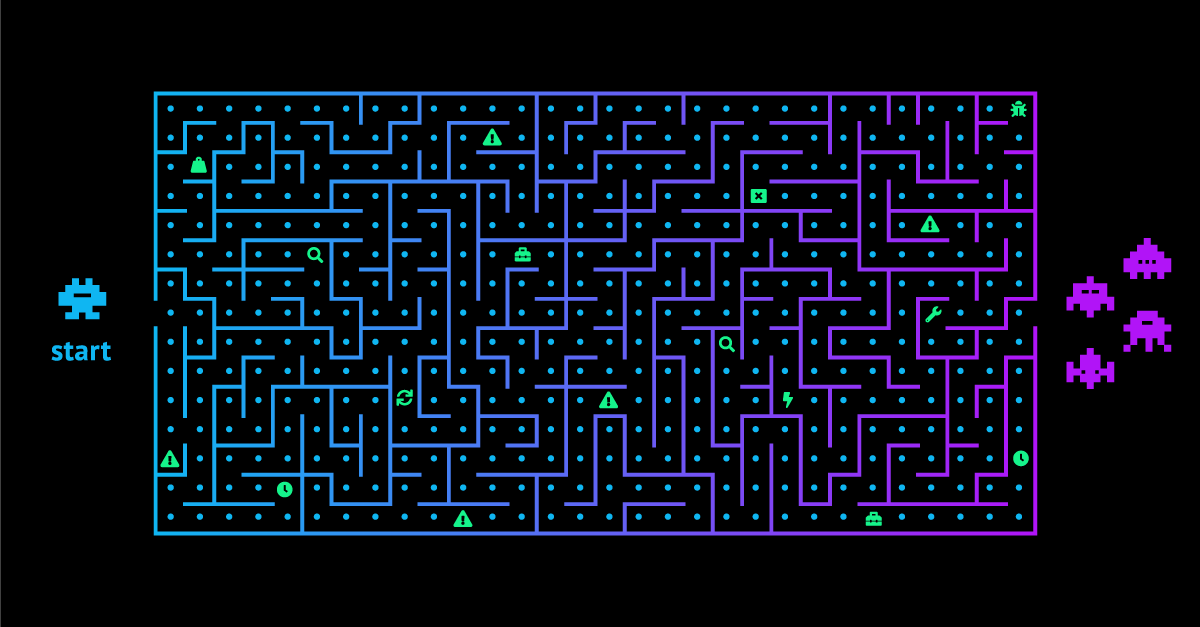
Landing Page from “Choose Your Search” campaign, tied to the release of The Matrix 4 movie. Users could choose the red or blue gummy bear to access Sourcegraph’s free, open-source universal code search (the red bear) or access the competitor’s restrictive search environment (the blue bear). For those who wished to go deeper down the rabbit hole, secret ASCII artwork and messages were hidden inside the source code of the microsite, which, when discovered, led them to a secret email address which they could use to contact “Bunny”, and agent in the Sourcegraph universe. By communicating with Bunny in a certain way, users could receive limited edition unique swag items, such as apparel, stickers, and even a jigsaw puzzle based on the ASCII art embedded within the site’s source code.
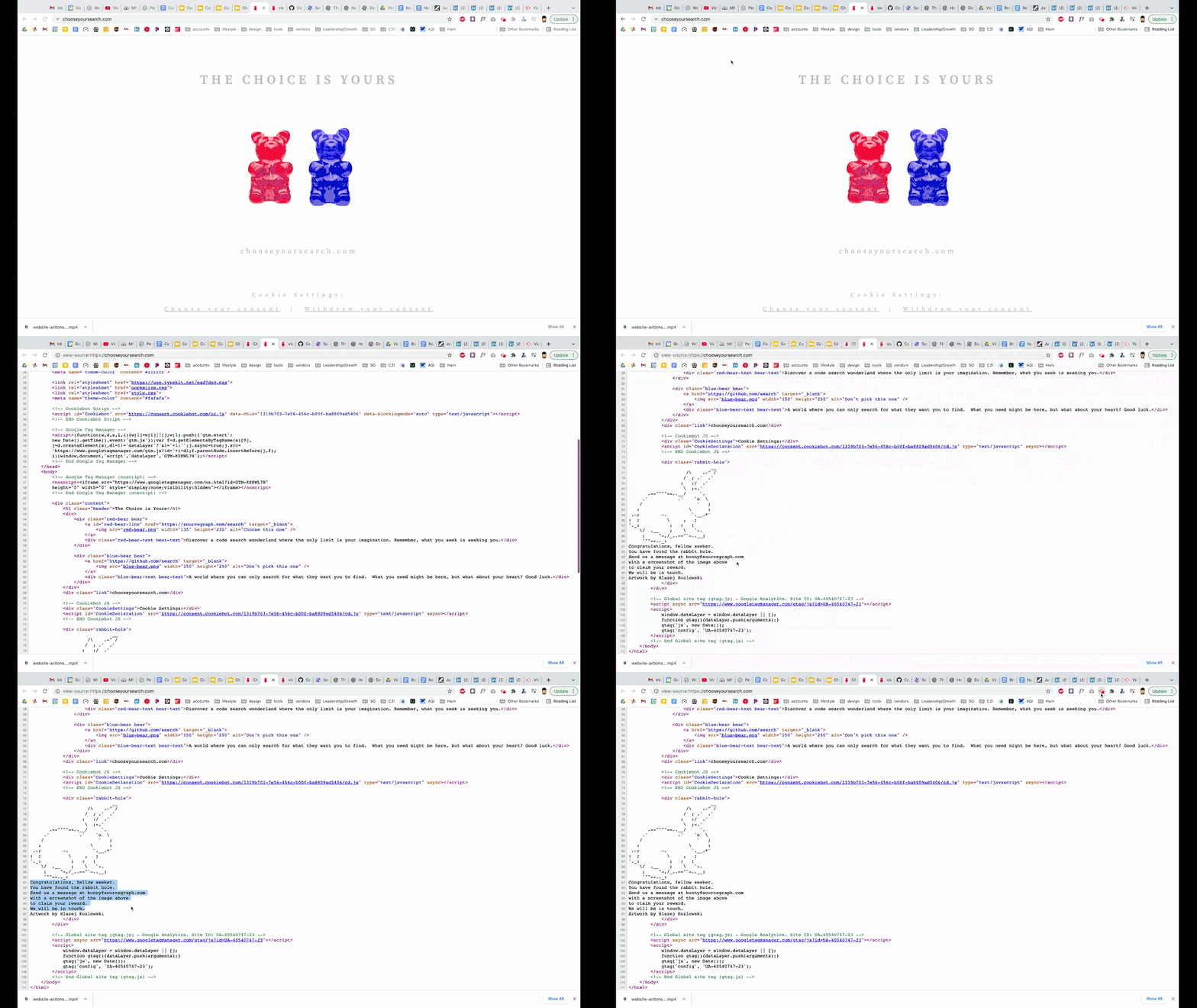
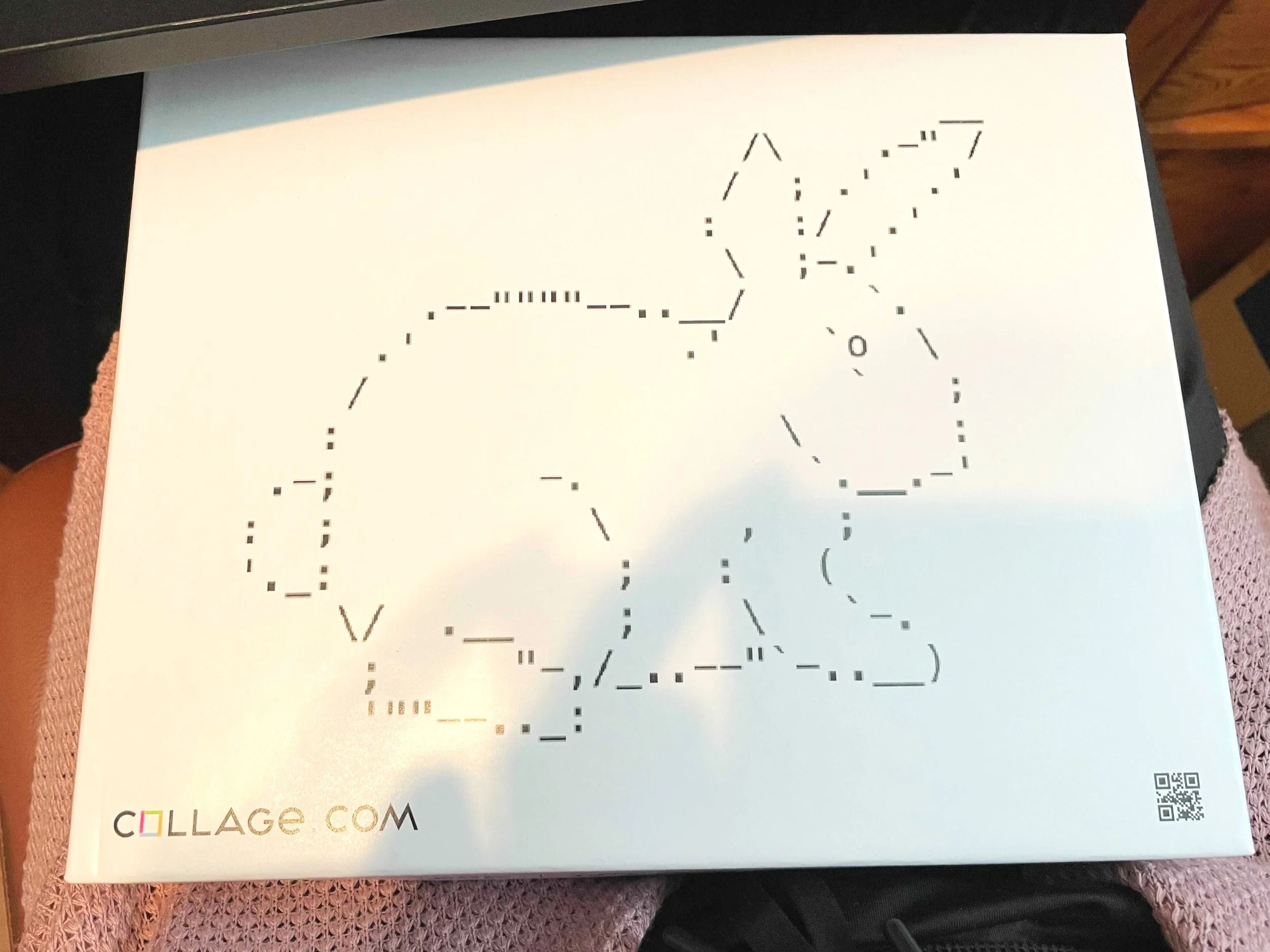
Above: The hidden “rabbit hole” for developers to discover, which led them to contact information where they could win swag and other prizes for sharing the links.
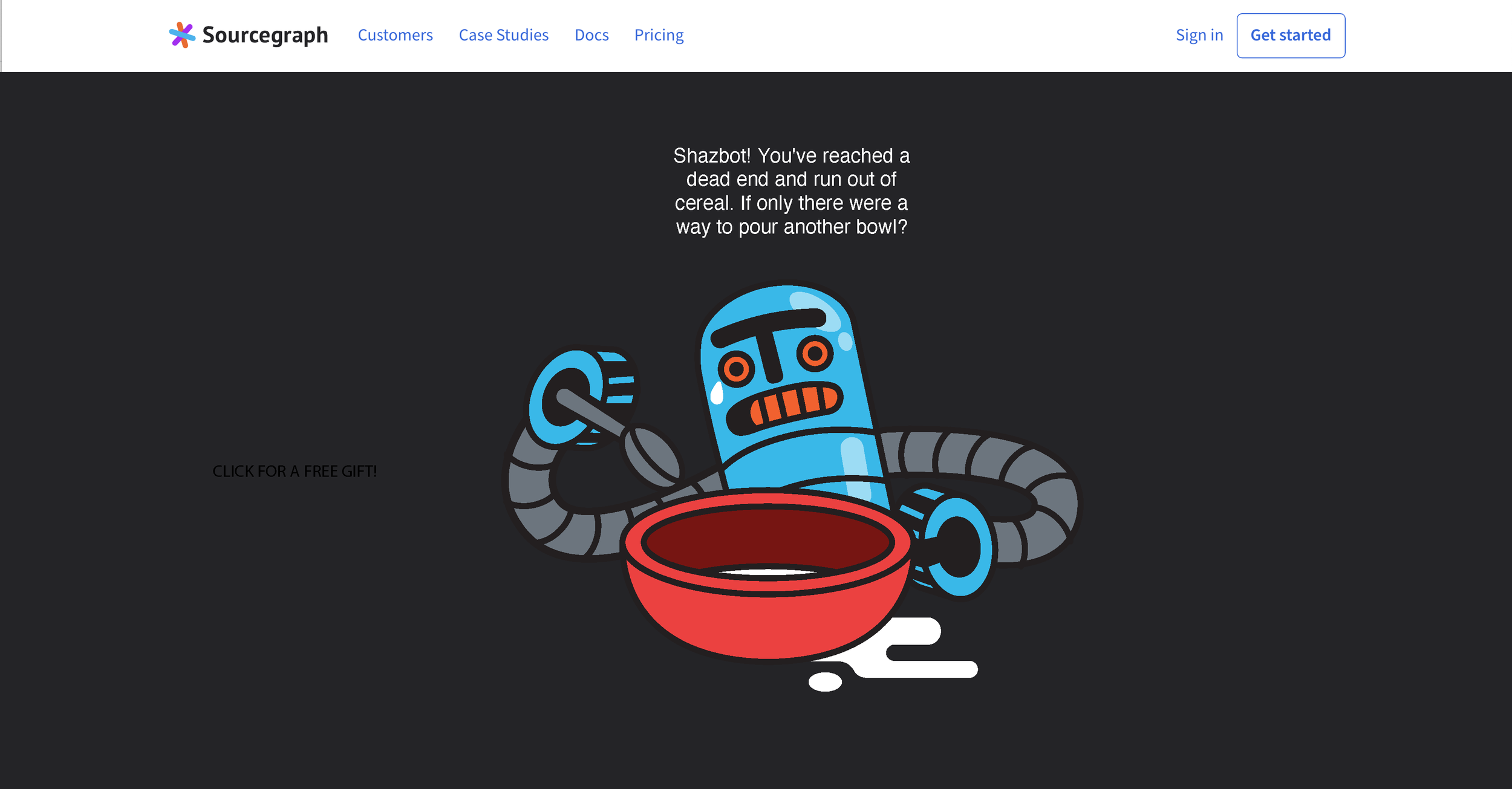
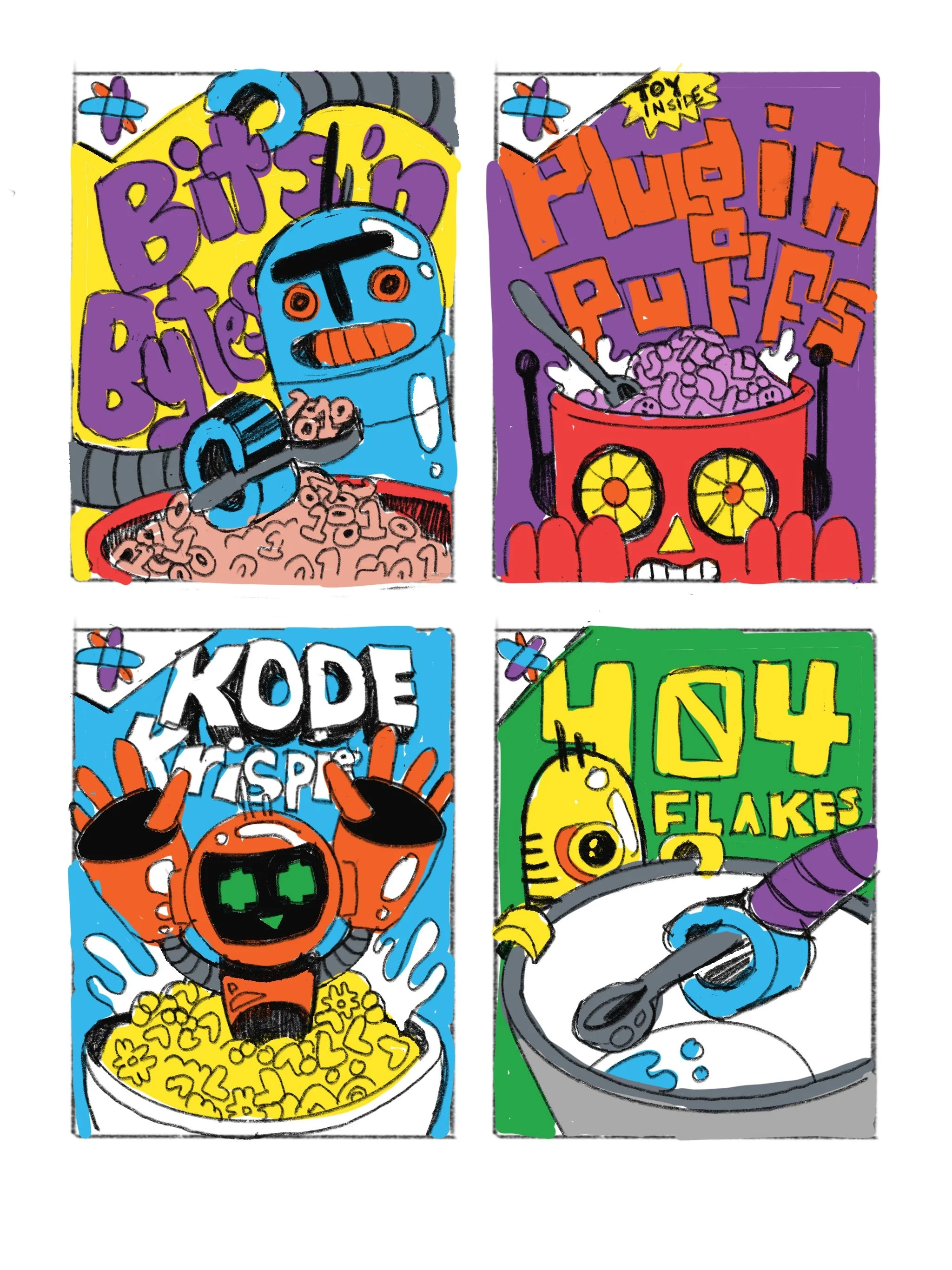
Below: Every surface was considered to be an “unmarketing” opportunity to connect with developers. Here, even the 404 page, which changed frequently to encourage discovery and exploration of the website, provided a way to engage with users, prompting them to solve a puzzle which would lead to a branded reward prize.
Brand Guidelines
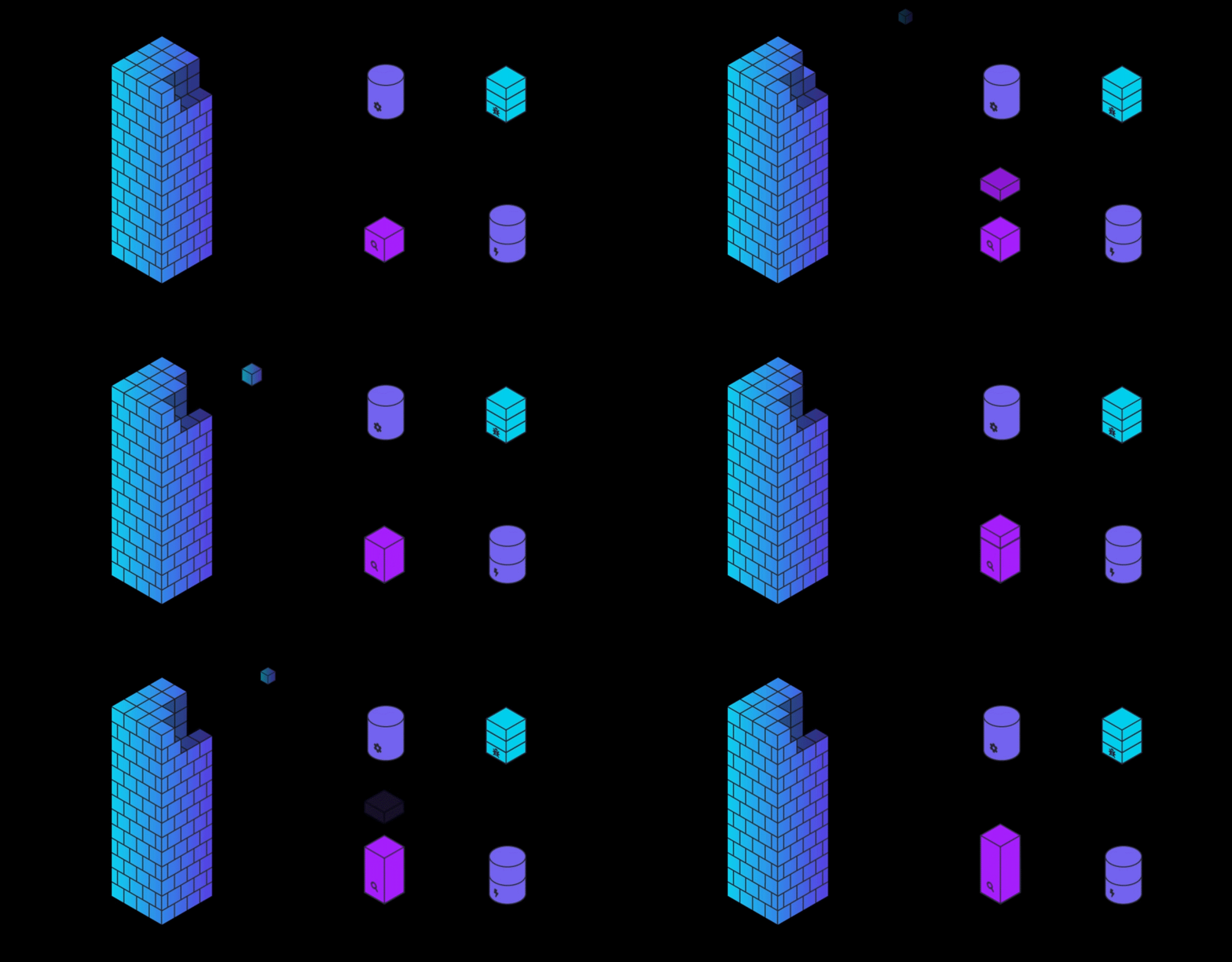
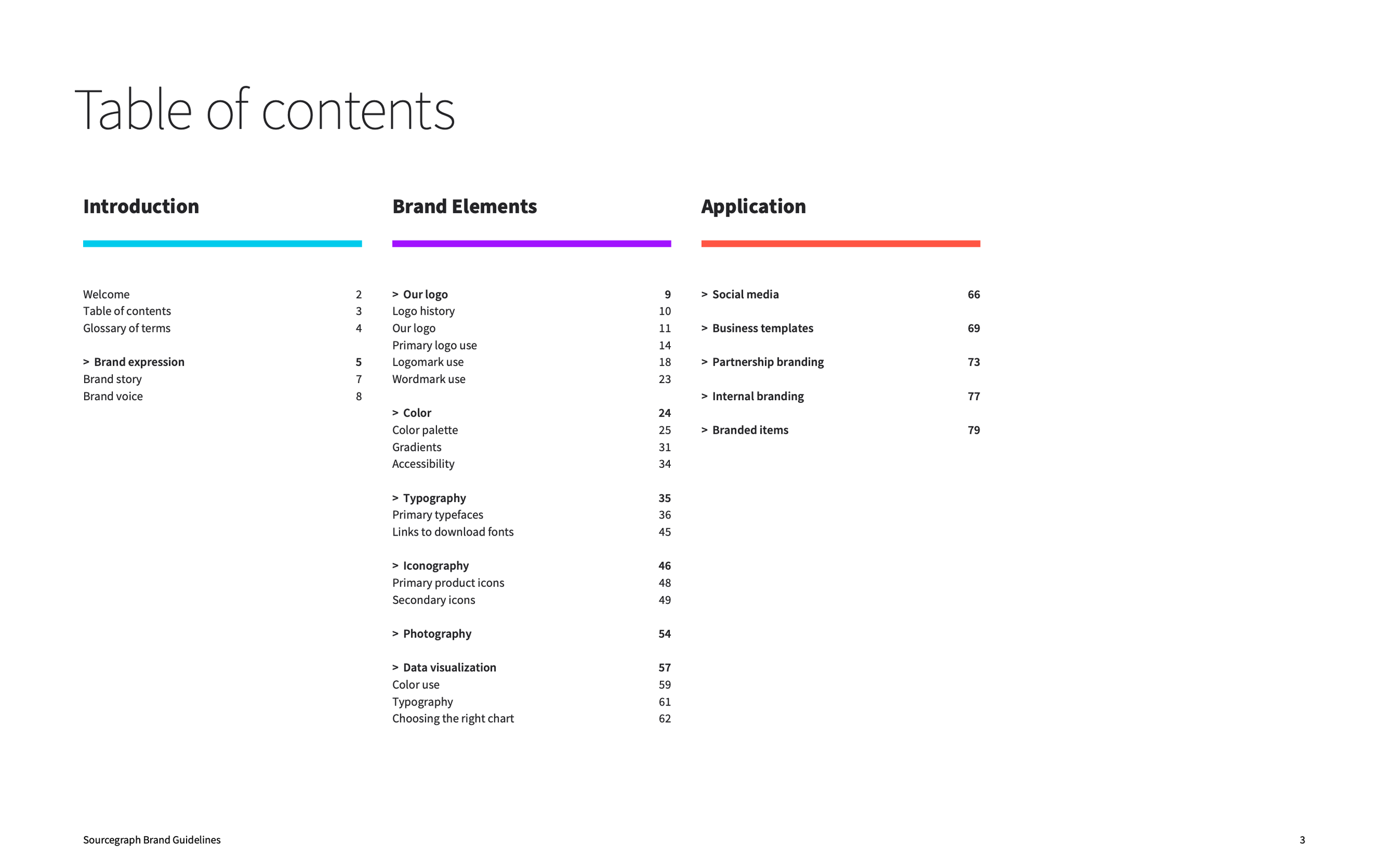
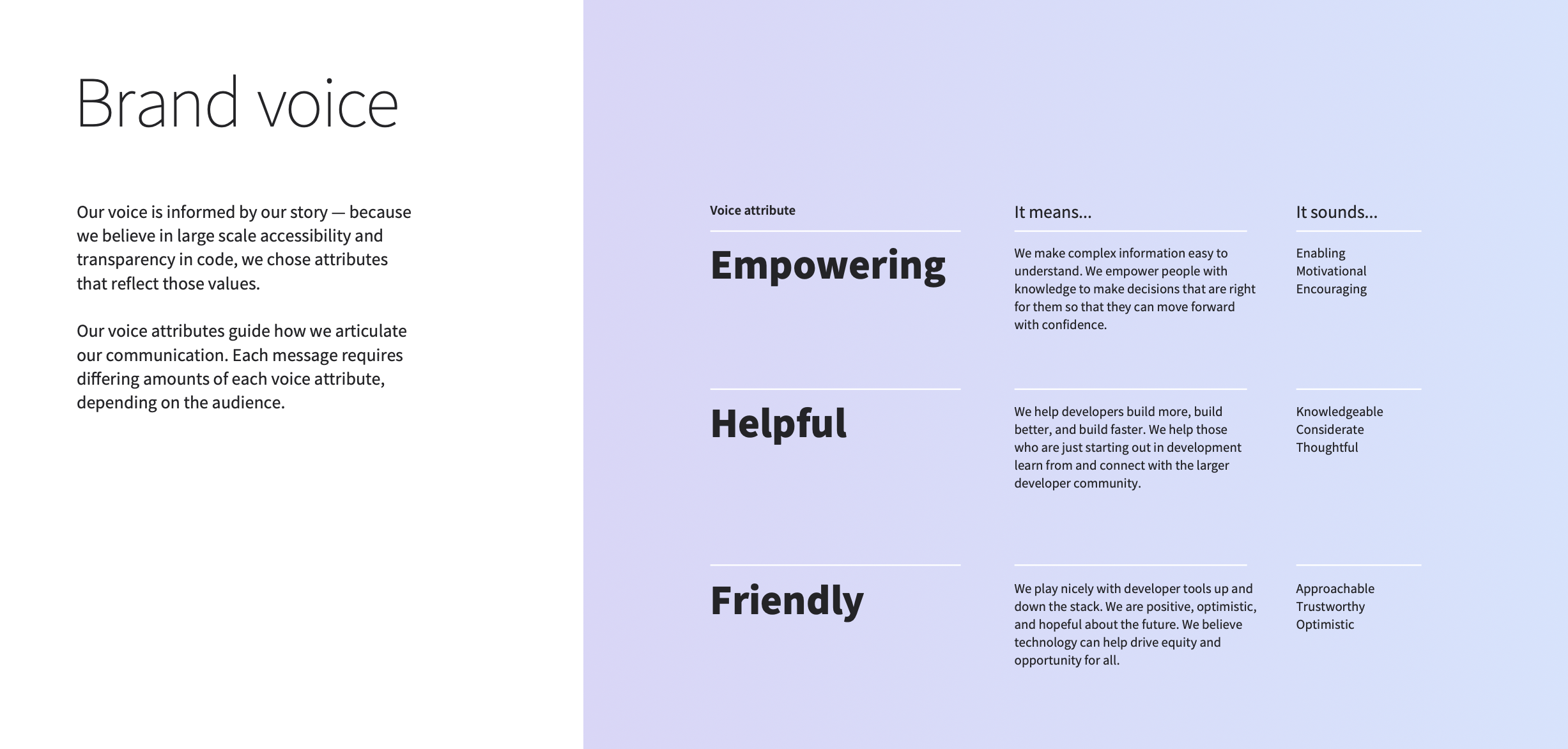
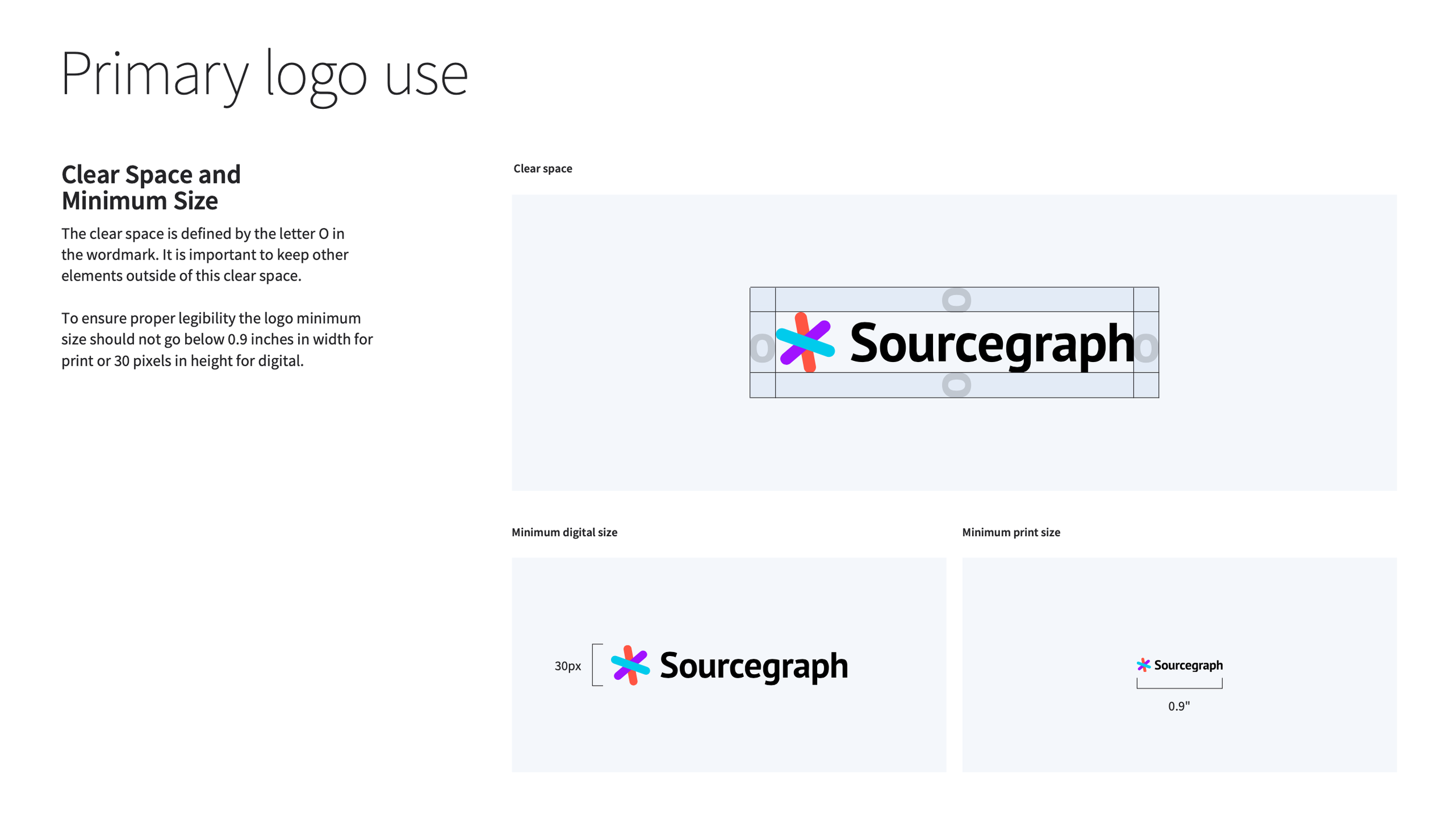
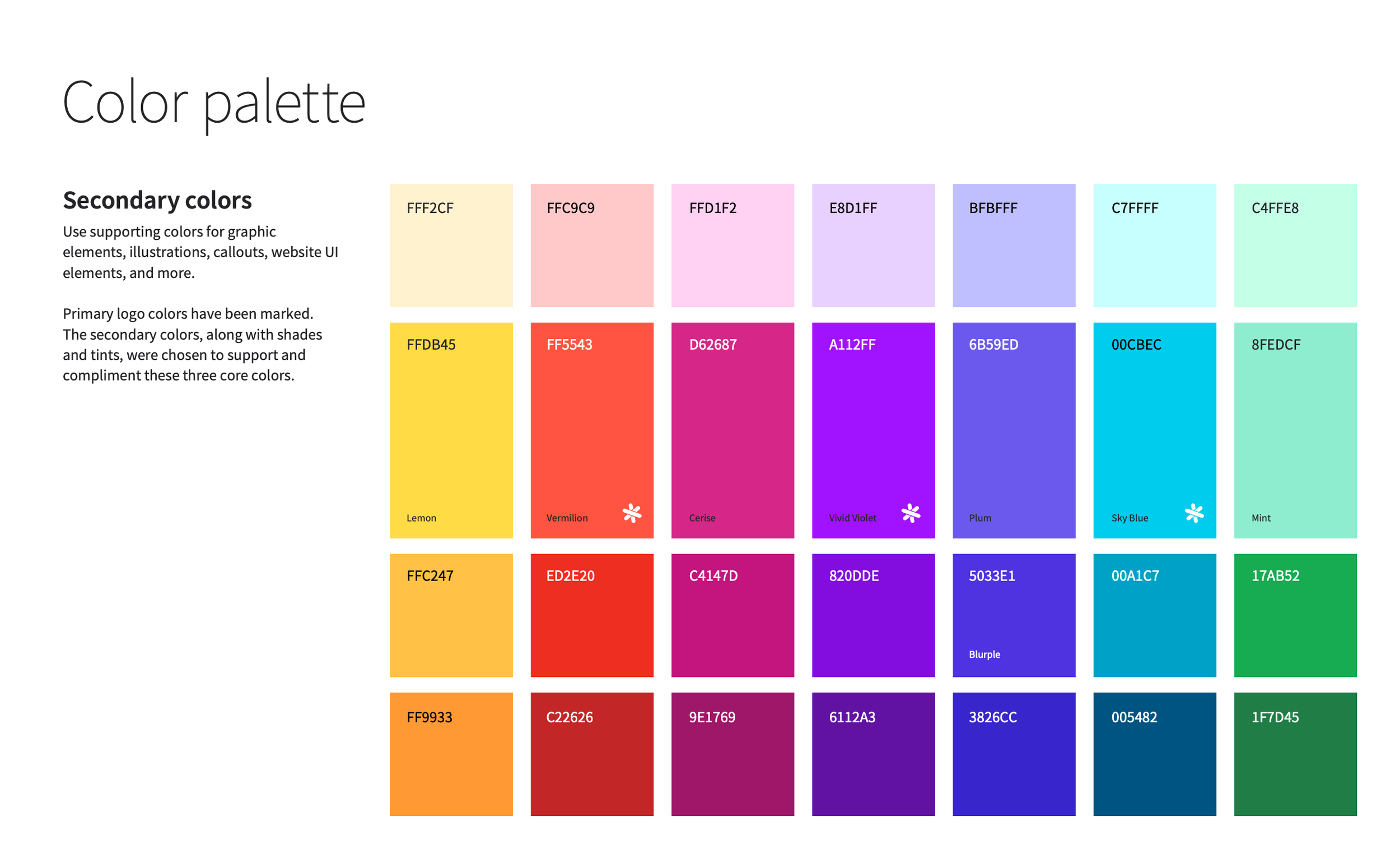
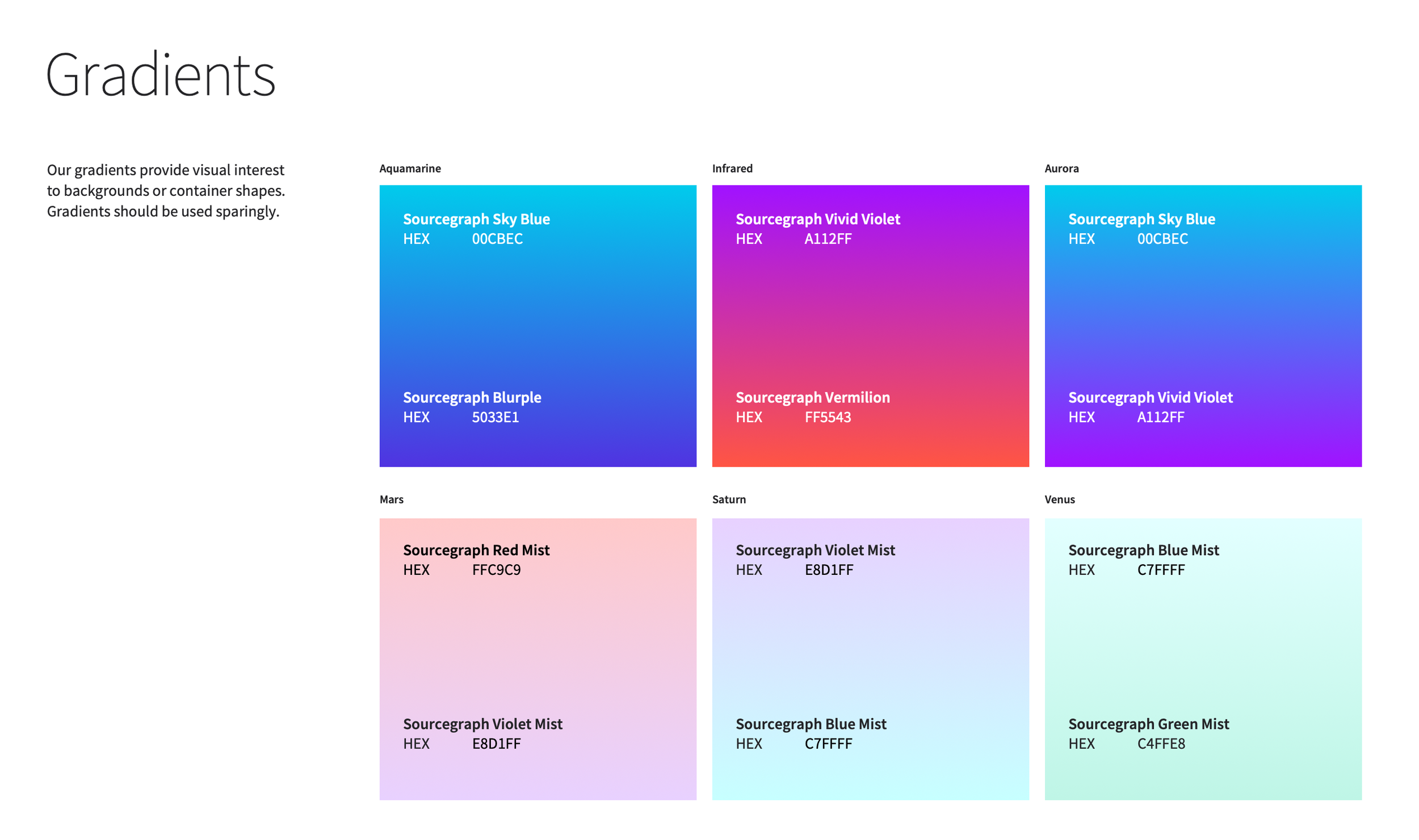
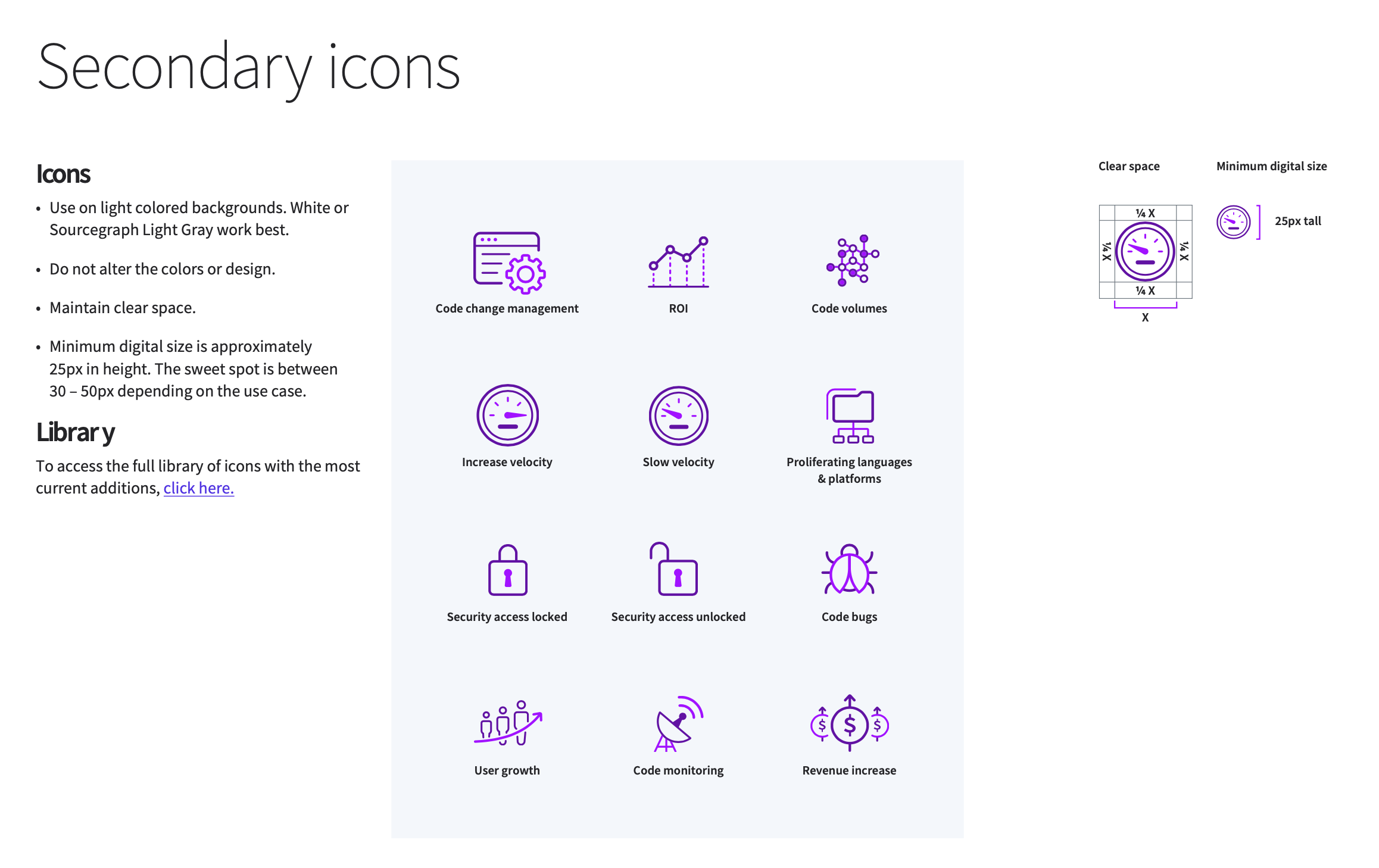
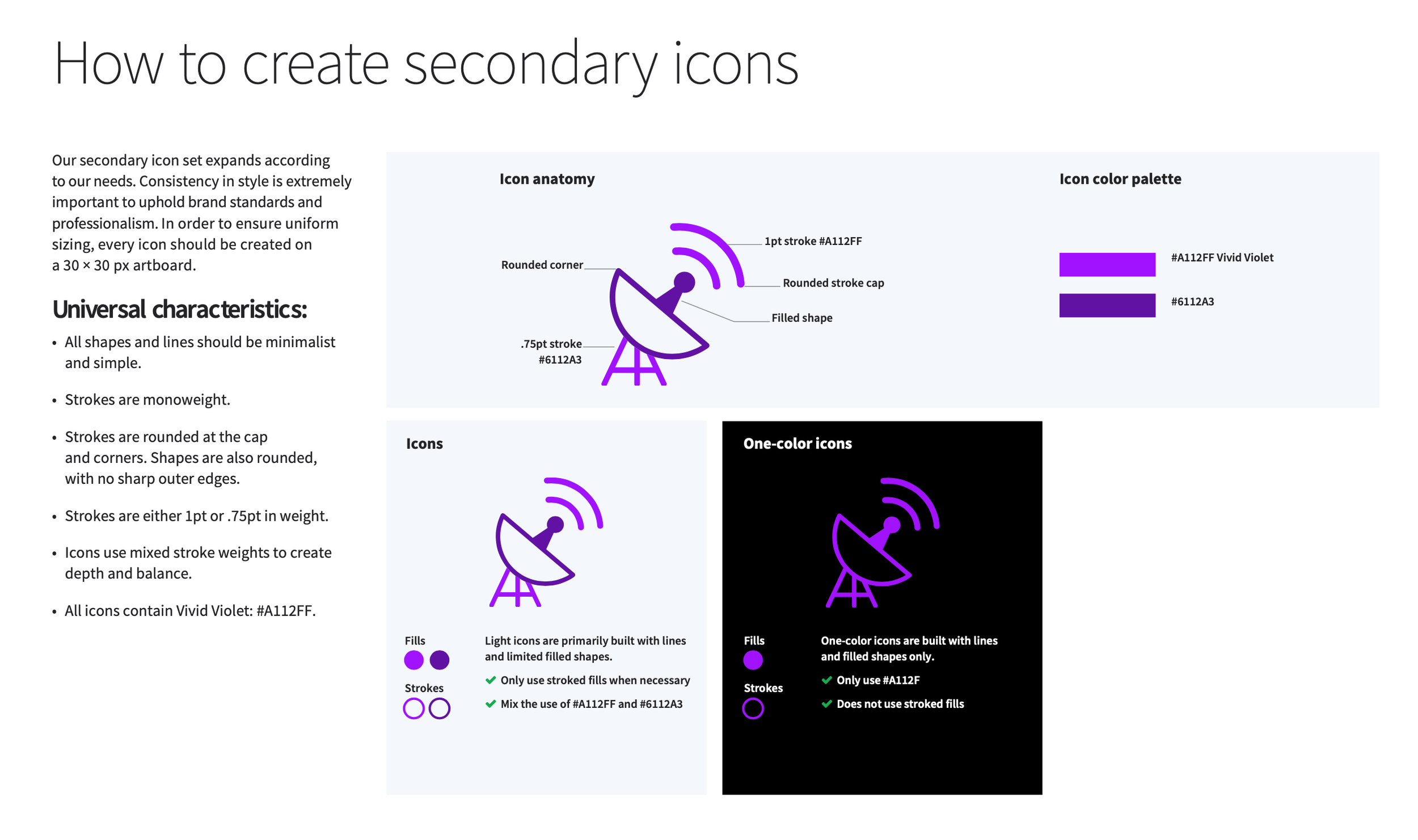
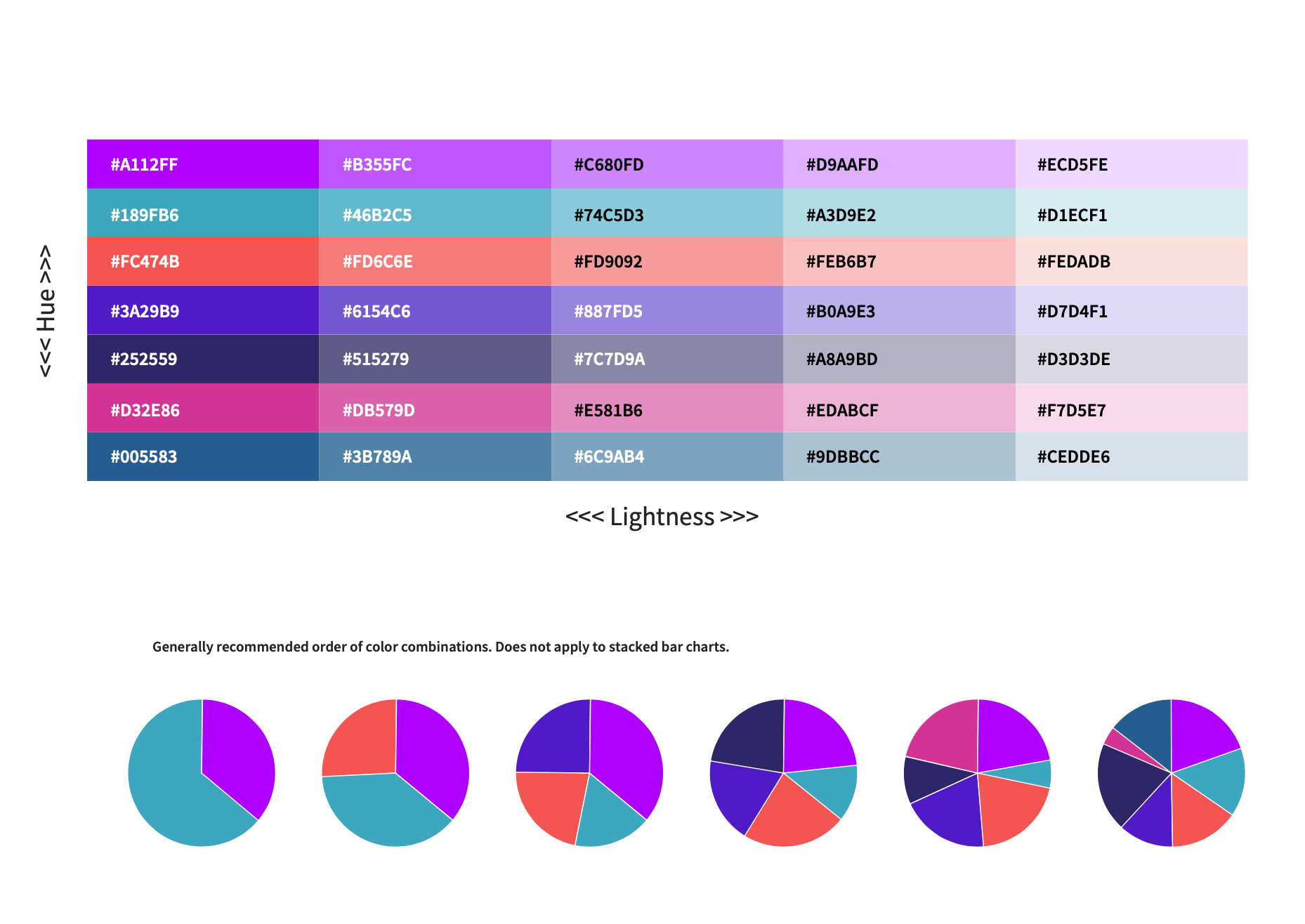
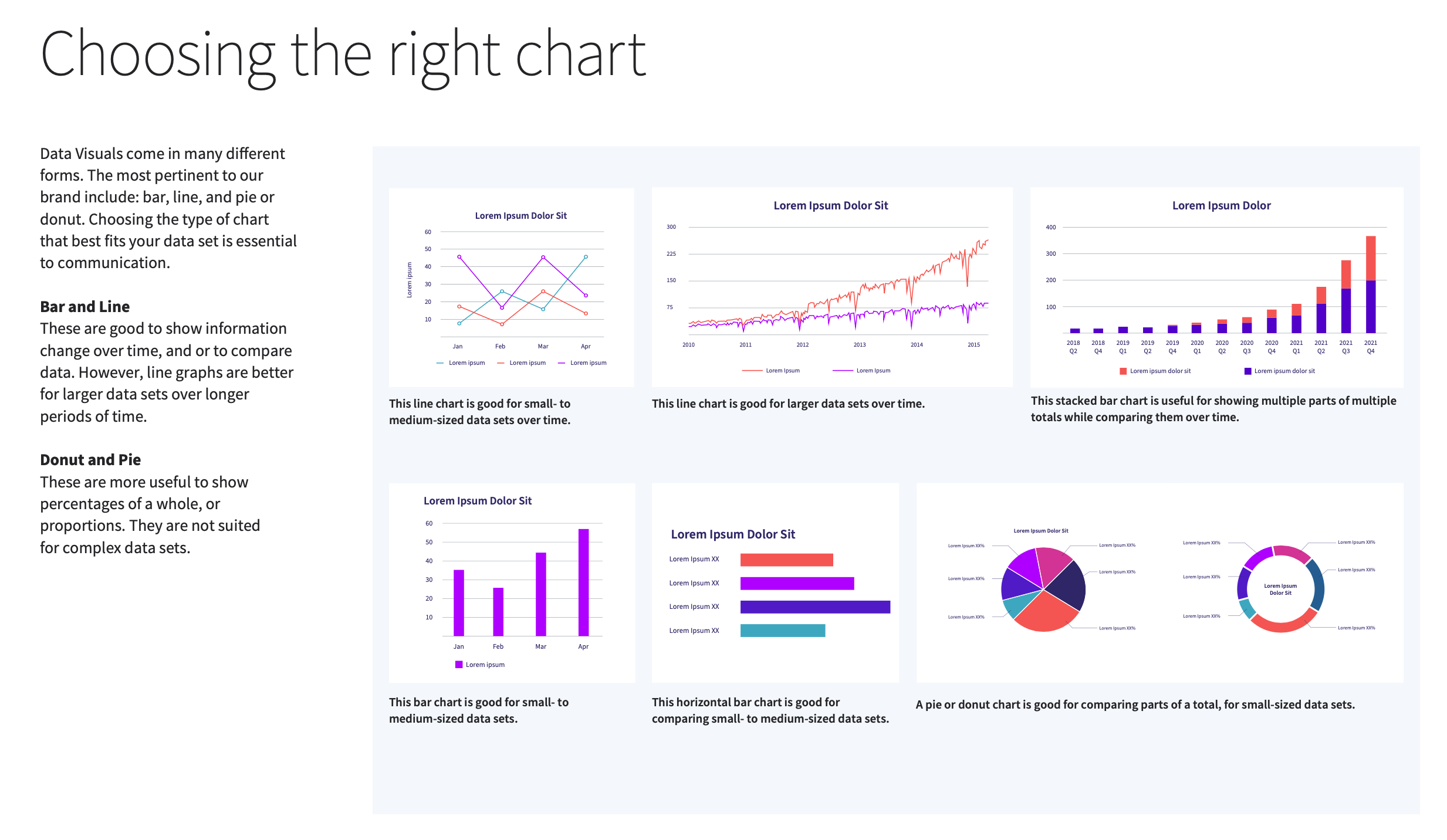
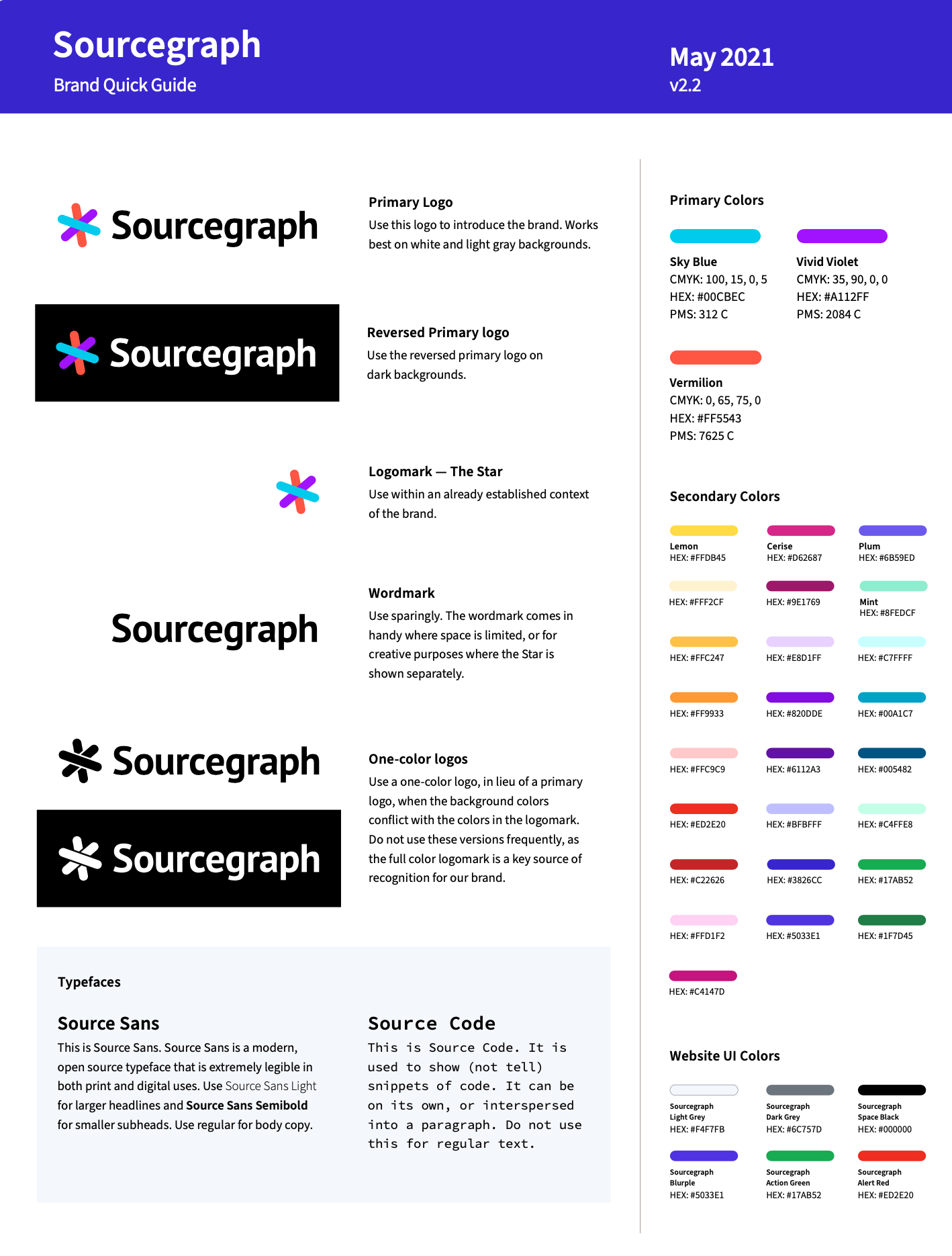
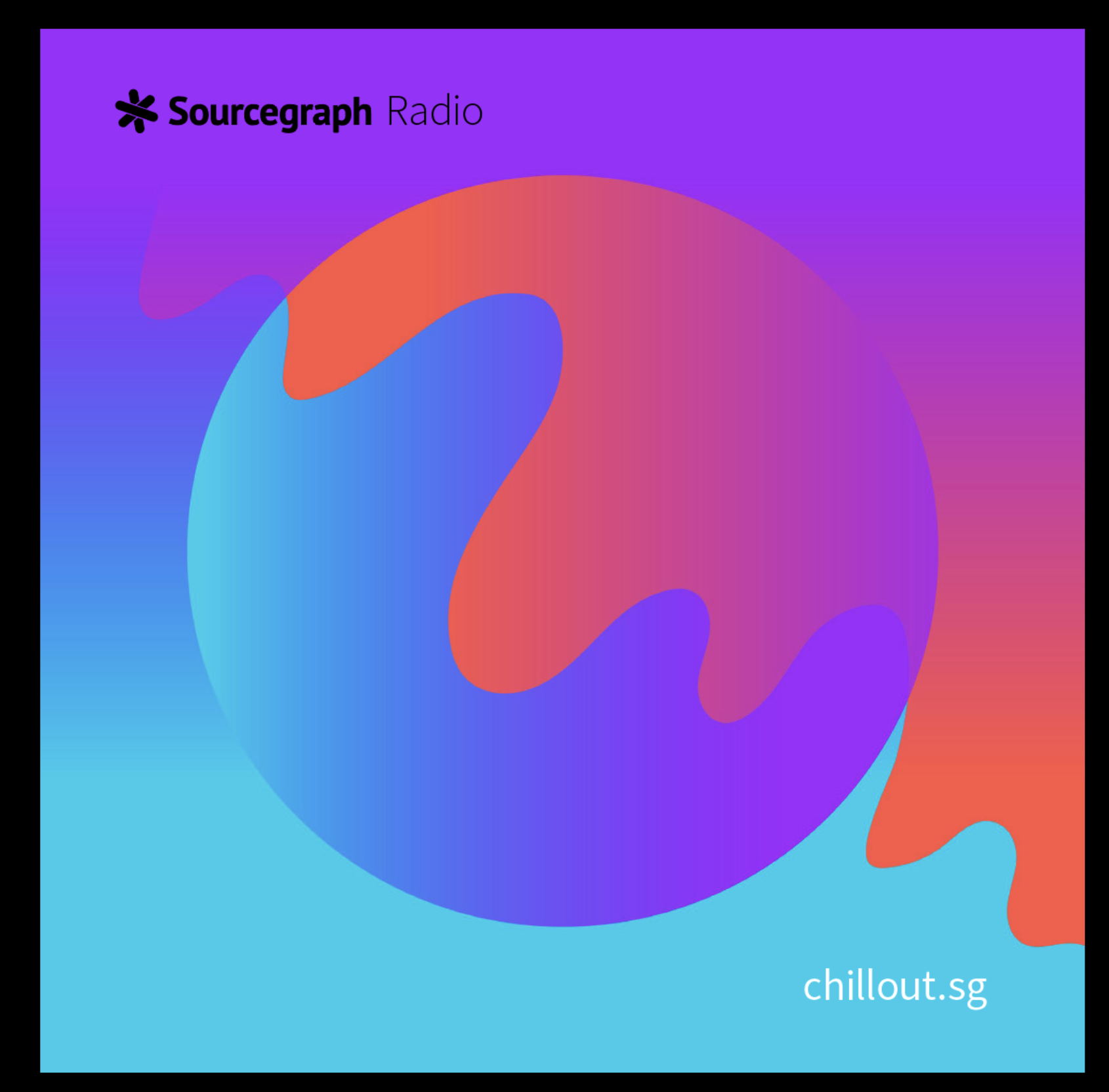
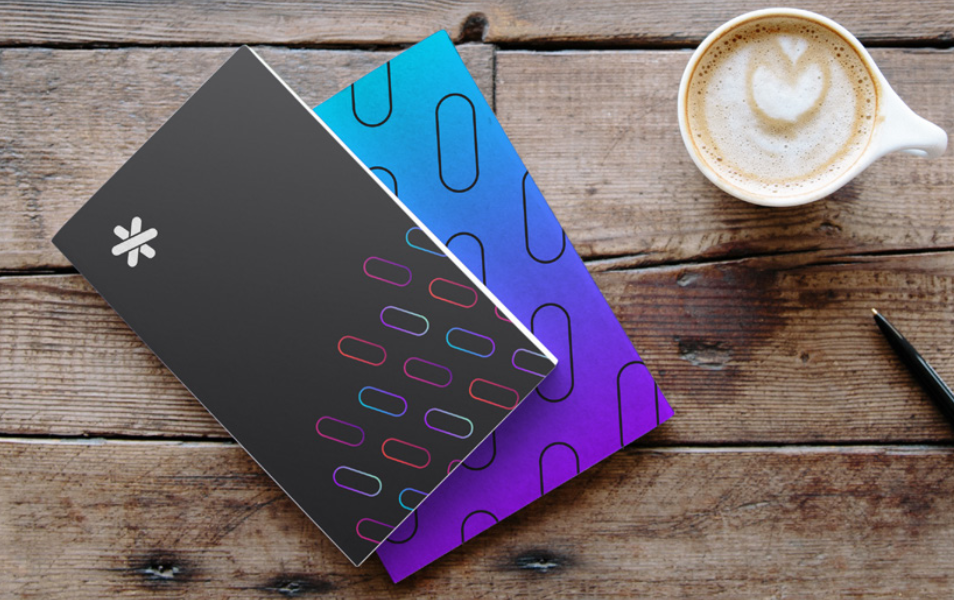
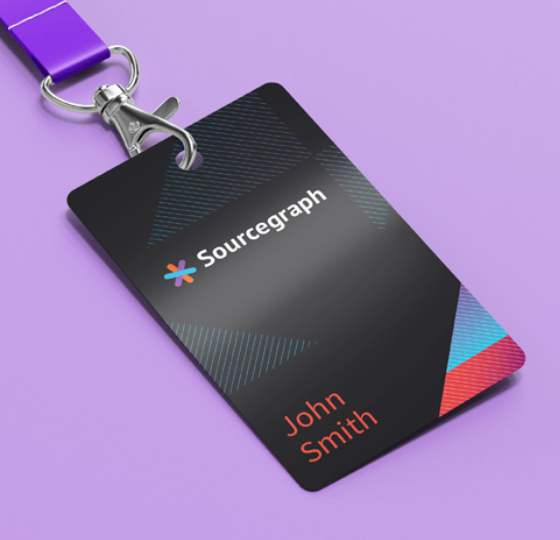
A robust set of brand guidelines and a Figma design system was developed for the company, including precise color selection suitable for digital, print, fabric and real-world application. The book also included voice and tone development, primary and semantic tokens, gradients, iconography, photography, generative AI guidelines, and a new narrative. An expanded data visualization guide and an array of business templates were also created for the GTM team to move fast.
Swag & Freebies
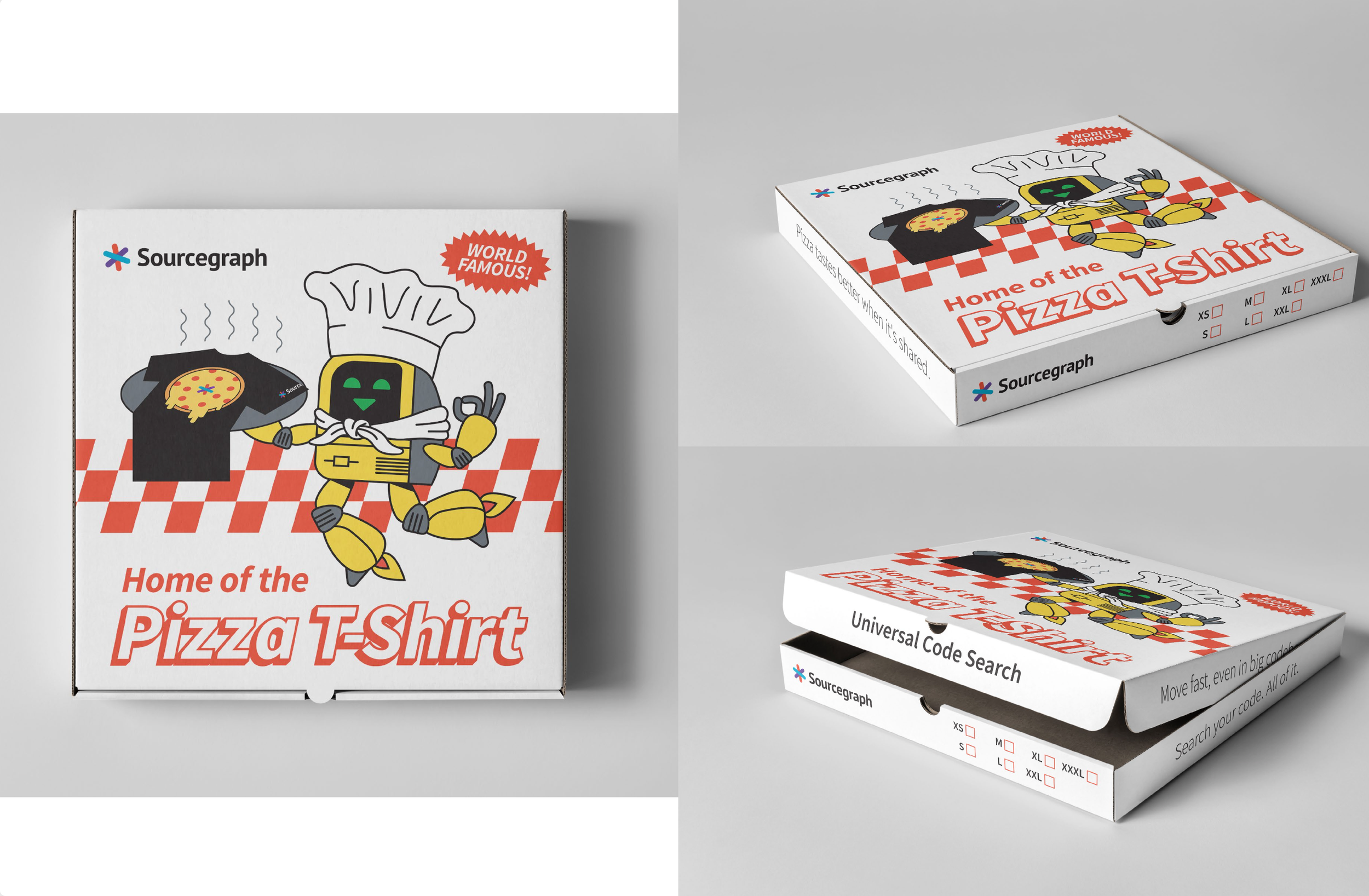
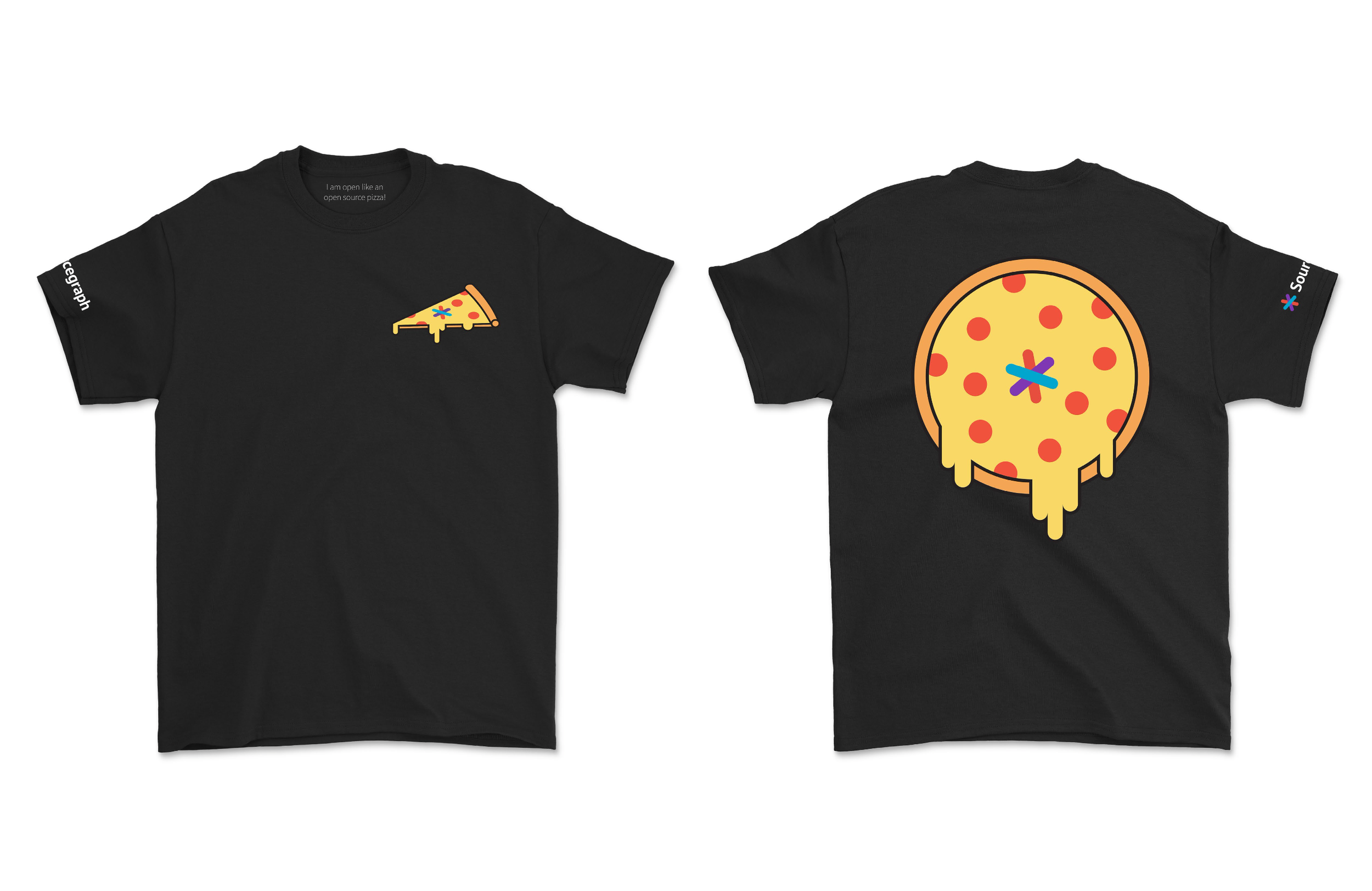
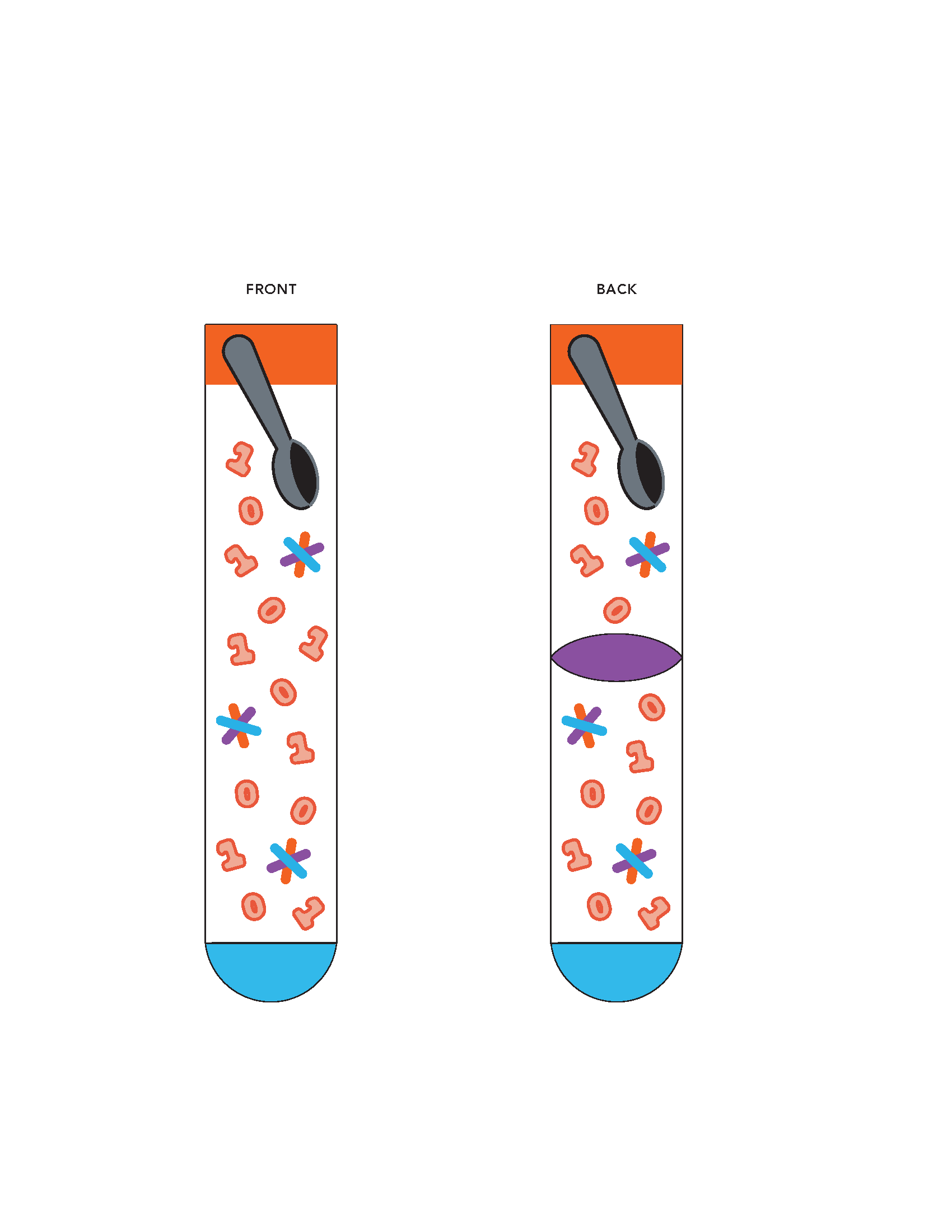
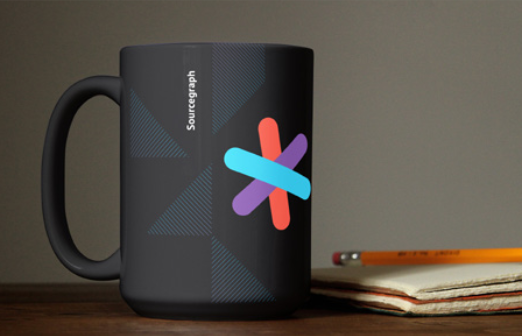
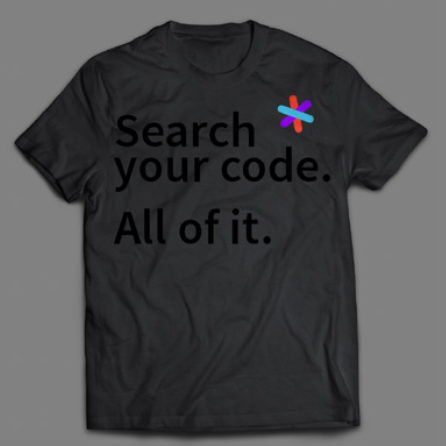
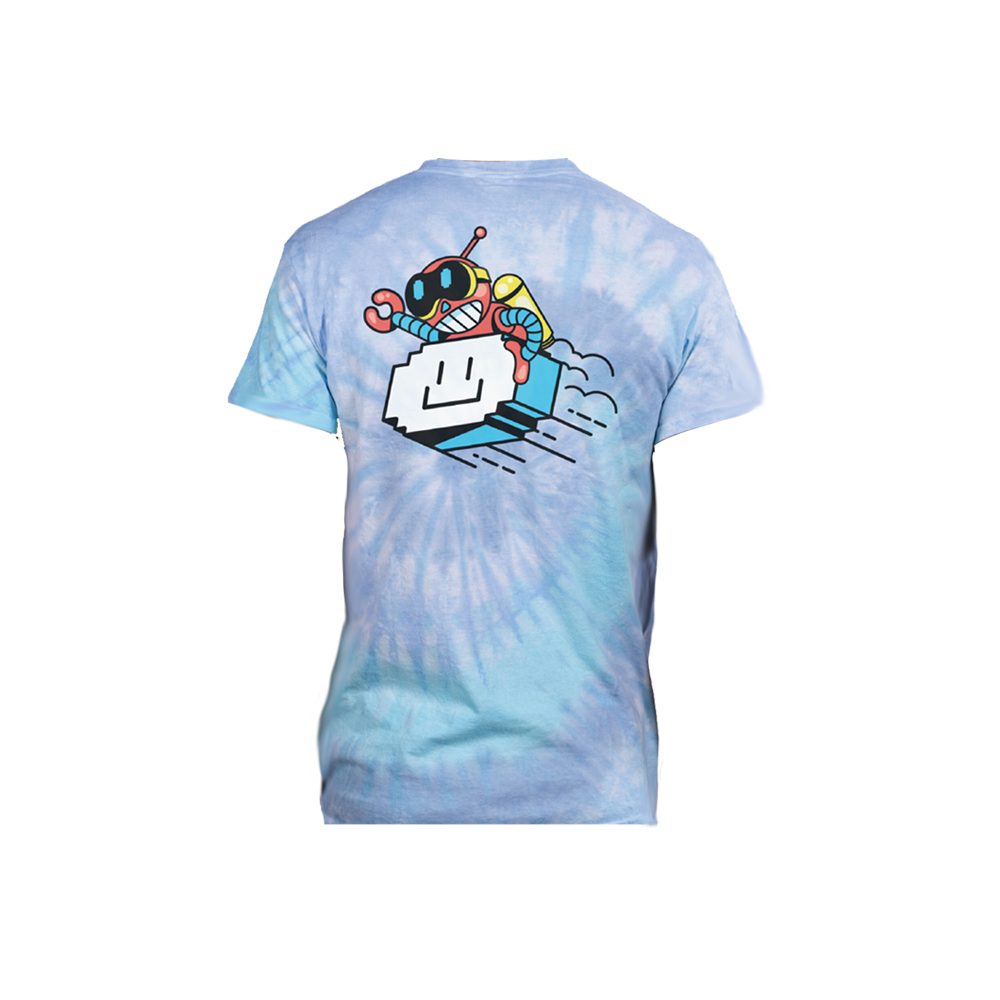
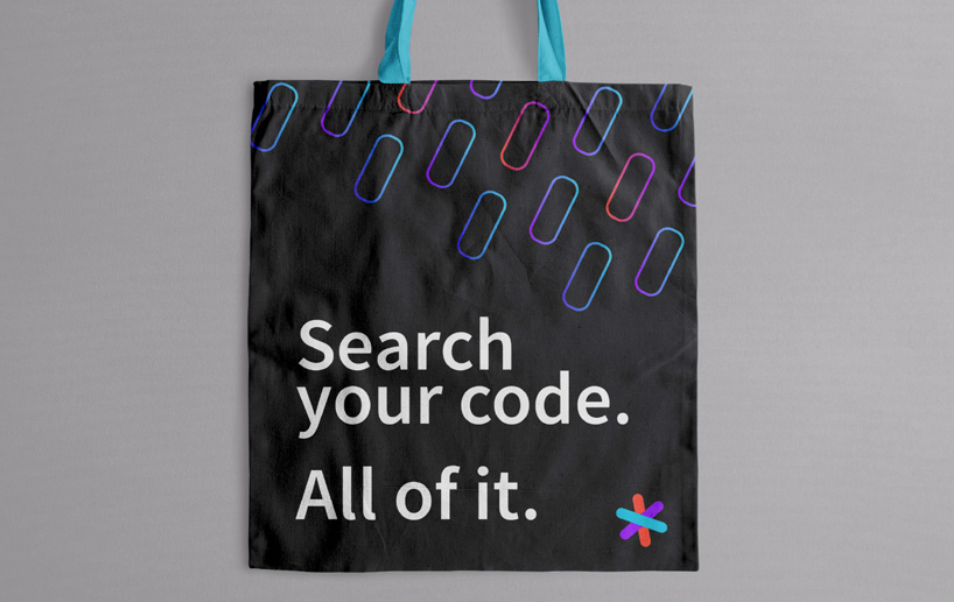
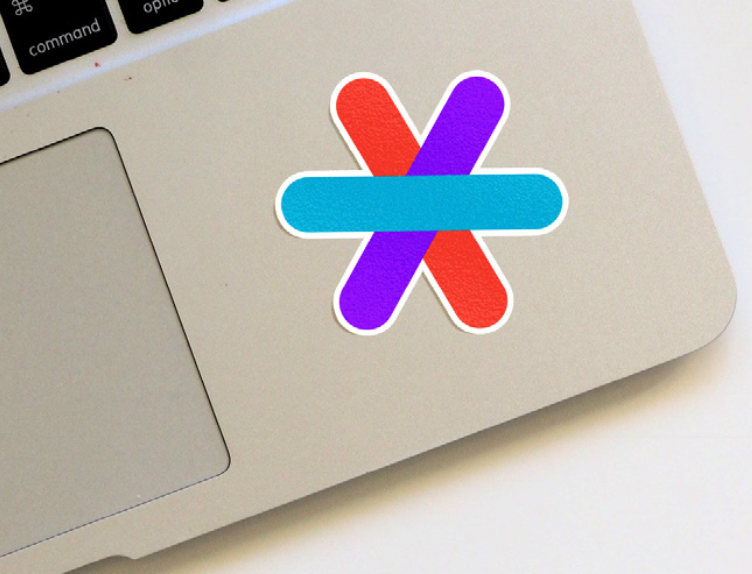
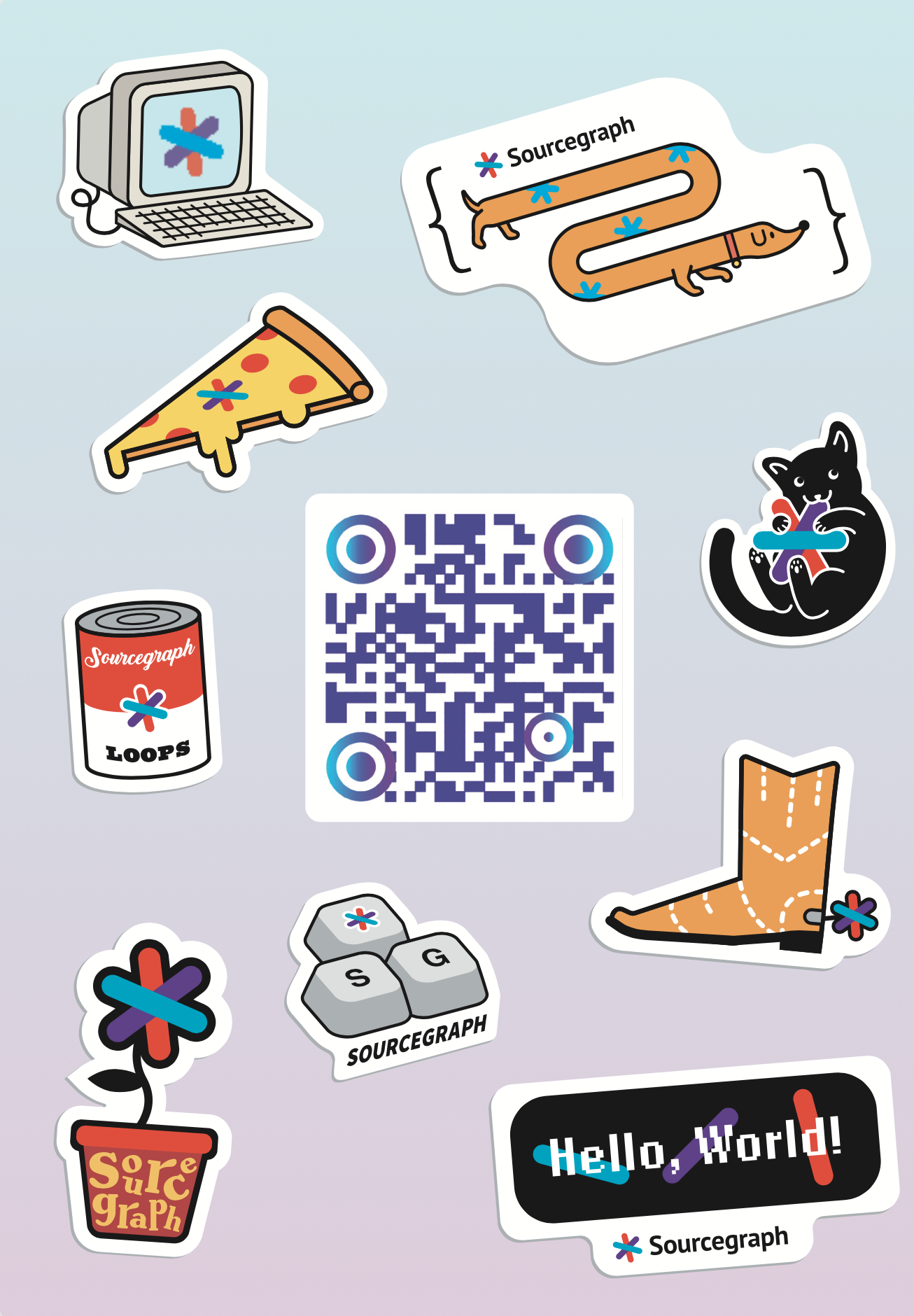
Developers love swag, whether at trade shows and conferences, or online contests and giveaways. As one example, we had a “free stickers” link on our website that provided a lead gen opportunity. Simply by providing an email and physical address, developers would receive a custom sticker pack along with some candy to power them through their coding sessions. This surprisingly simple tactic led to thousands of dollars in pipeline.


Content & Editorial Design
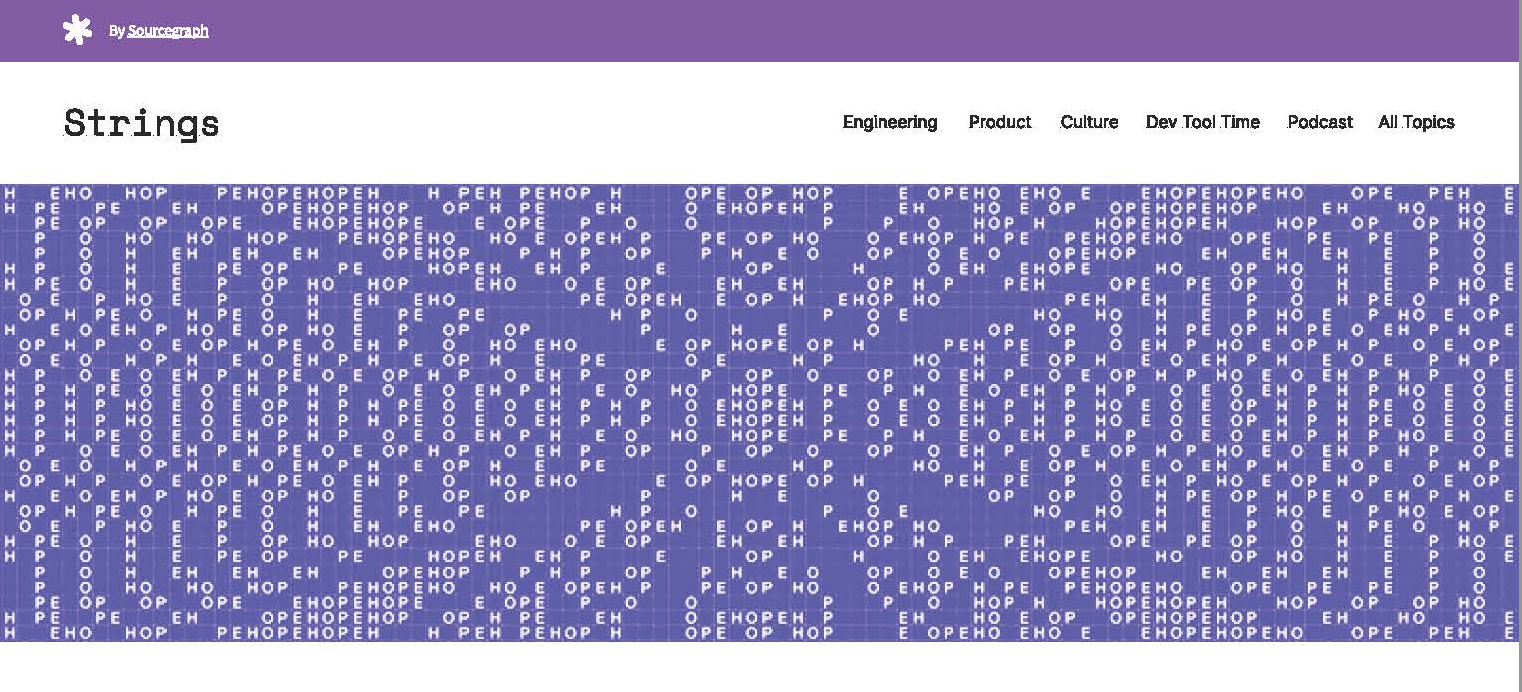
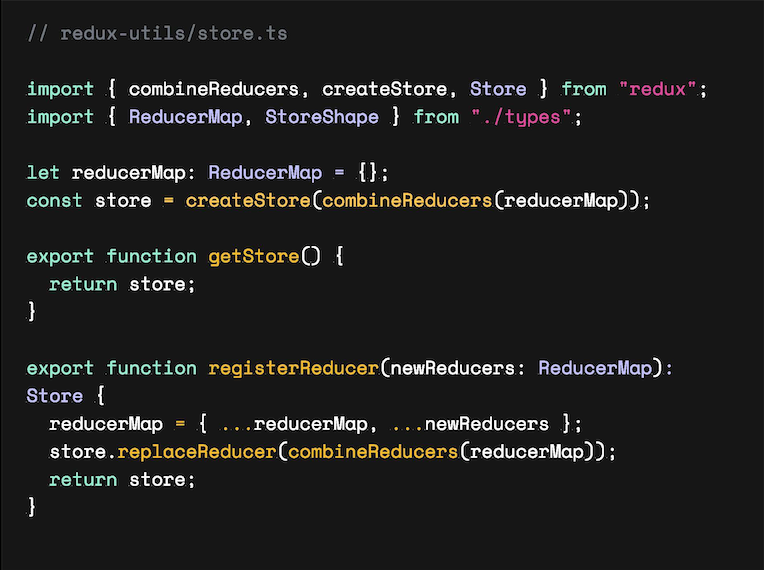
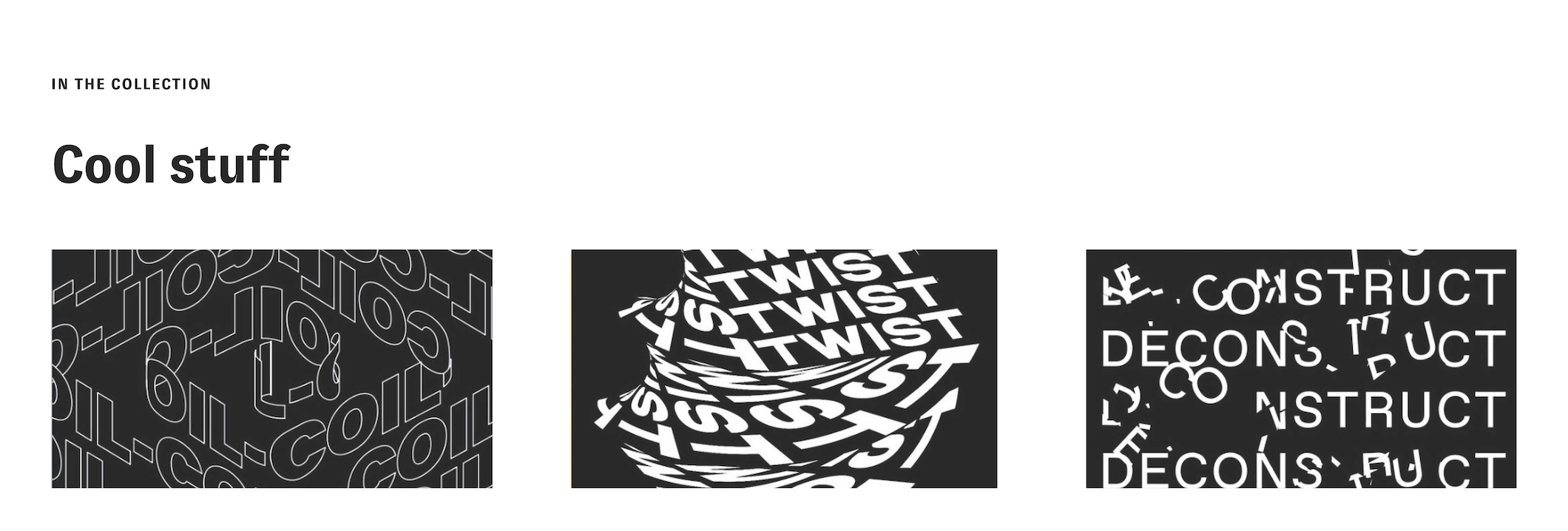
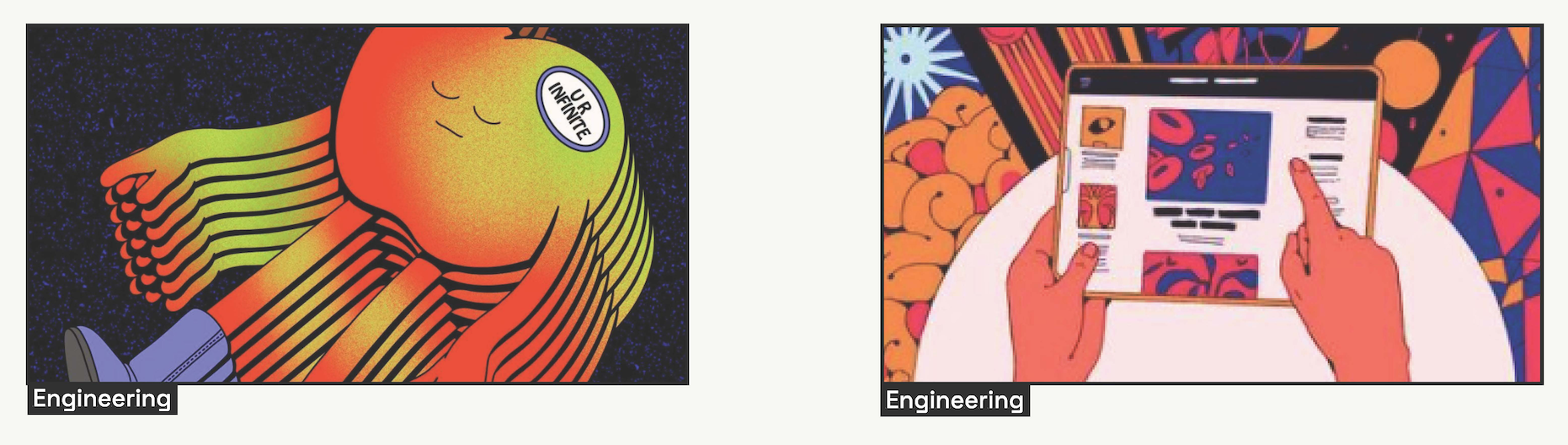
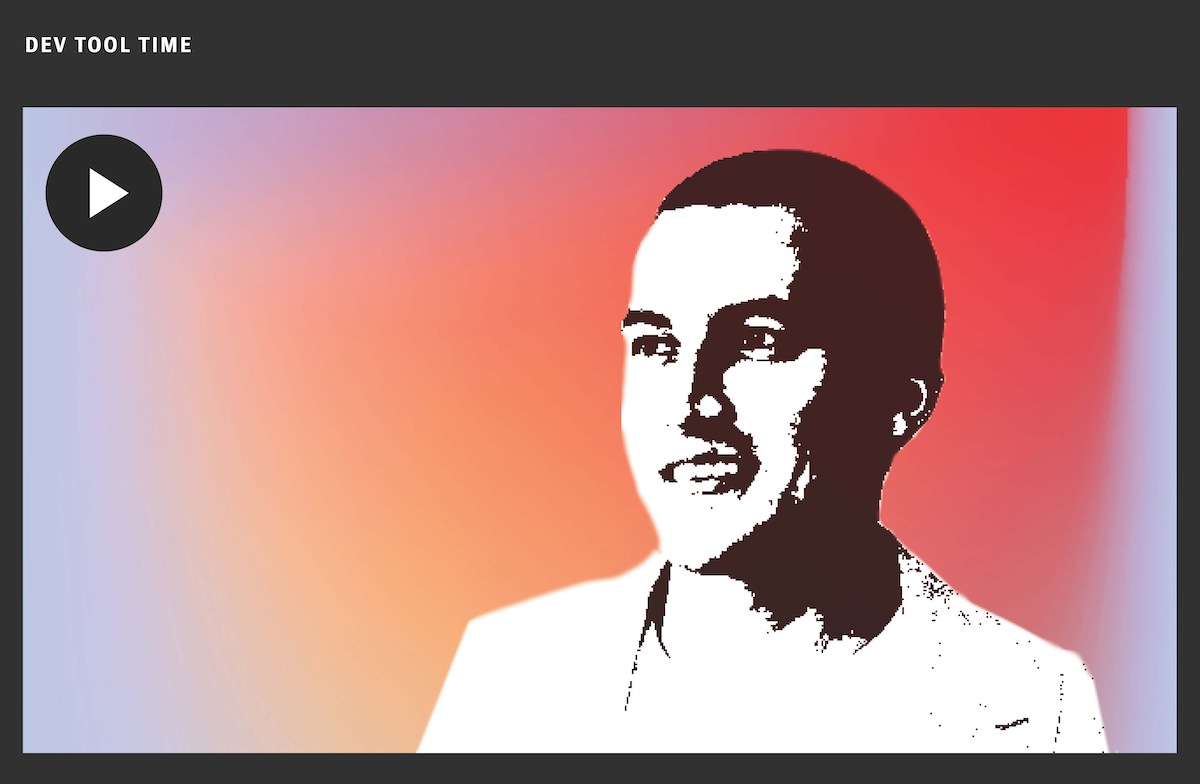
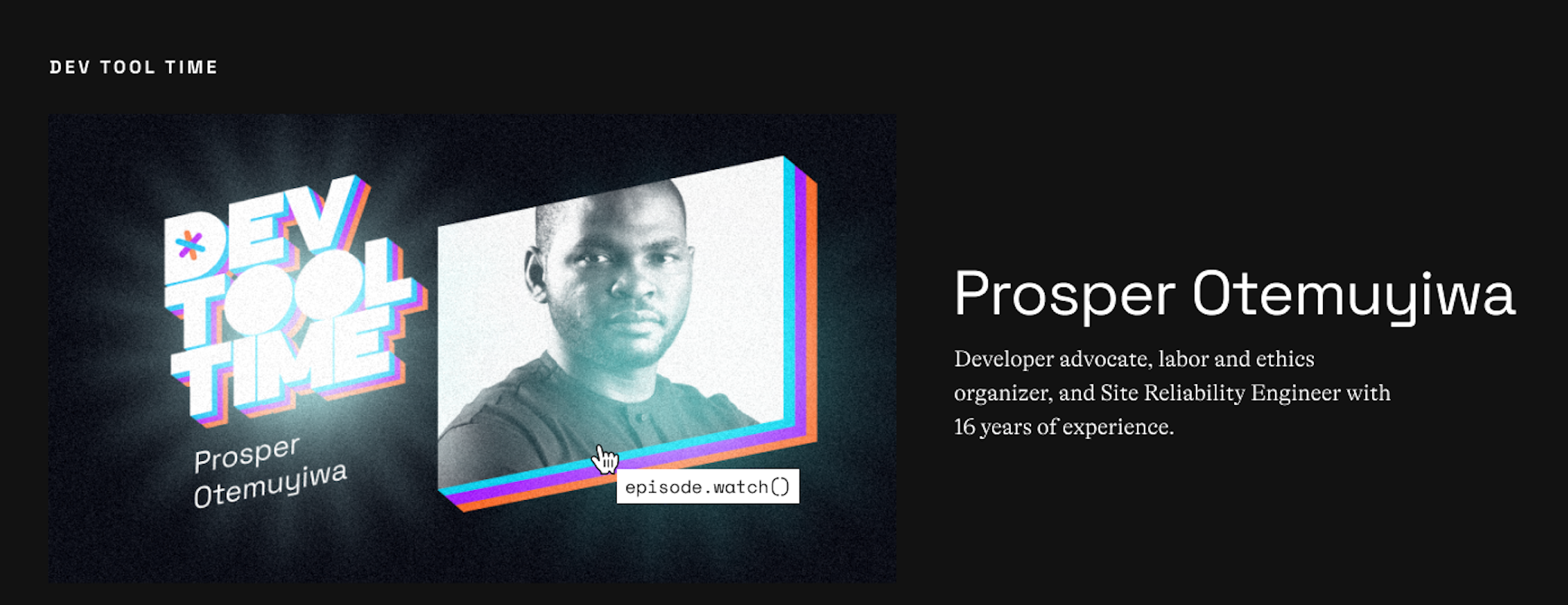
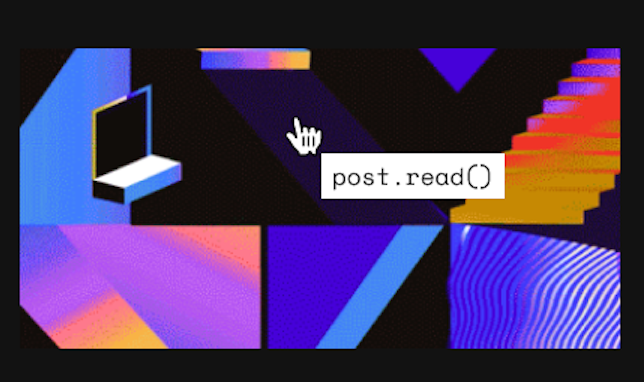
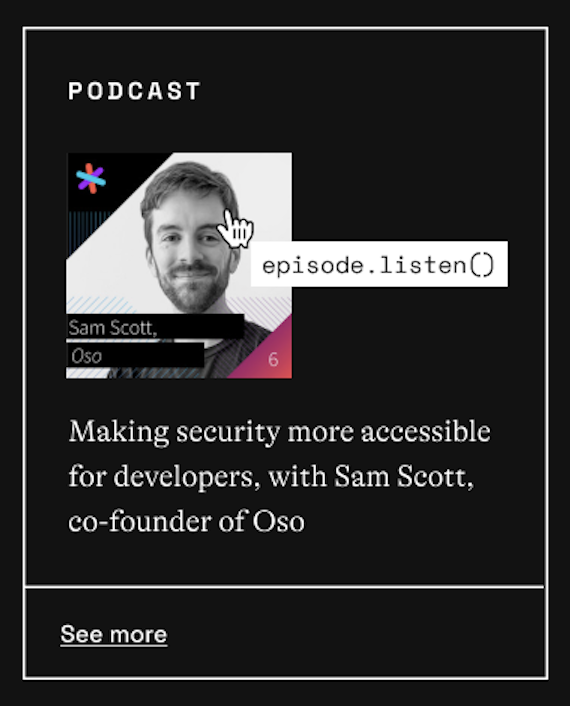
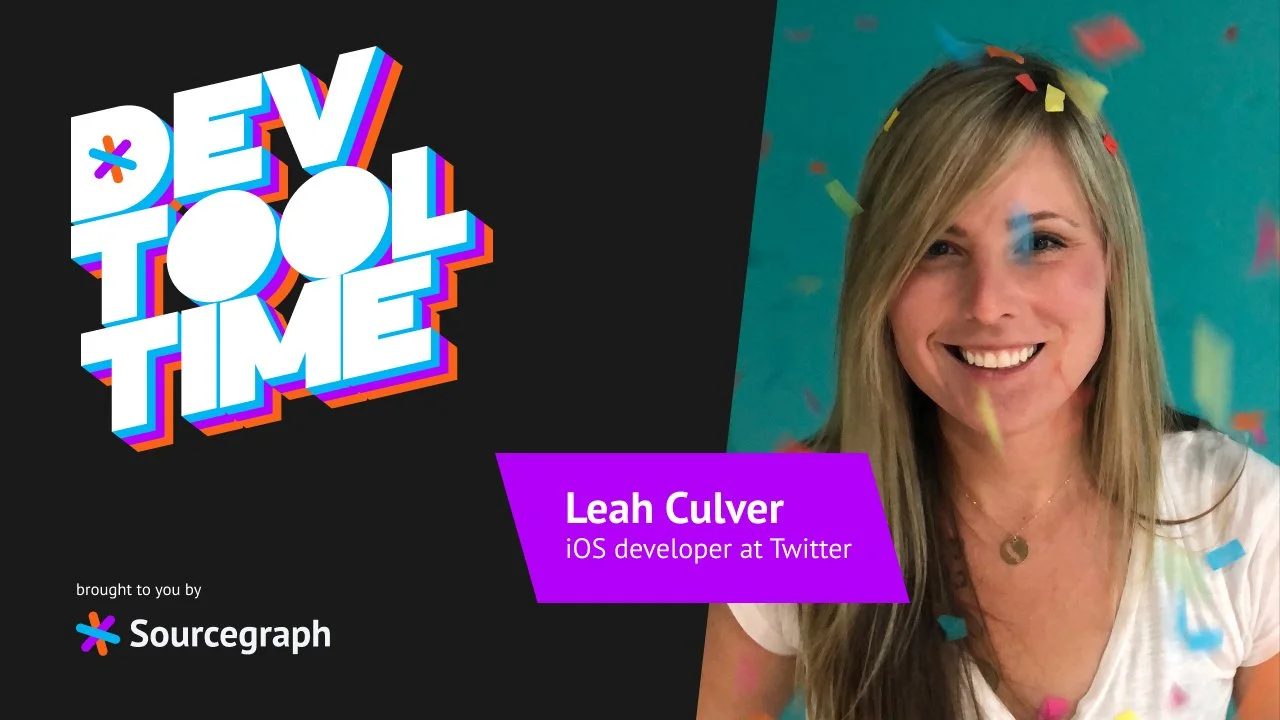
Design support for developer-focused content marketing, including the design and build of a new media property (named “Strings” after a string of code) along with all graphics for posts and articles. Brand design was also provided for their podcast called “Dev Tool Time”.

“Make it interesting, and your audience will never feel like they are being sold to.”